2026 World Cup refereeing controversy raises concerns of political interference
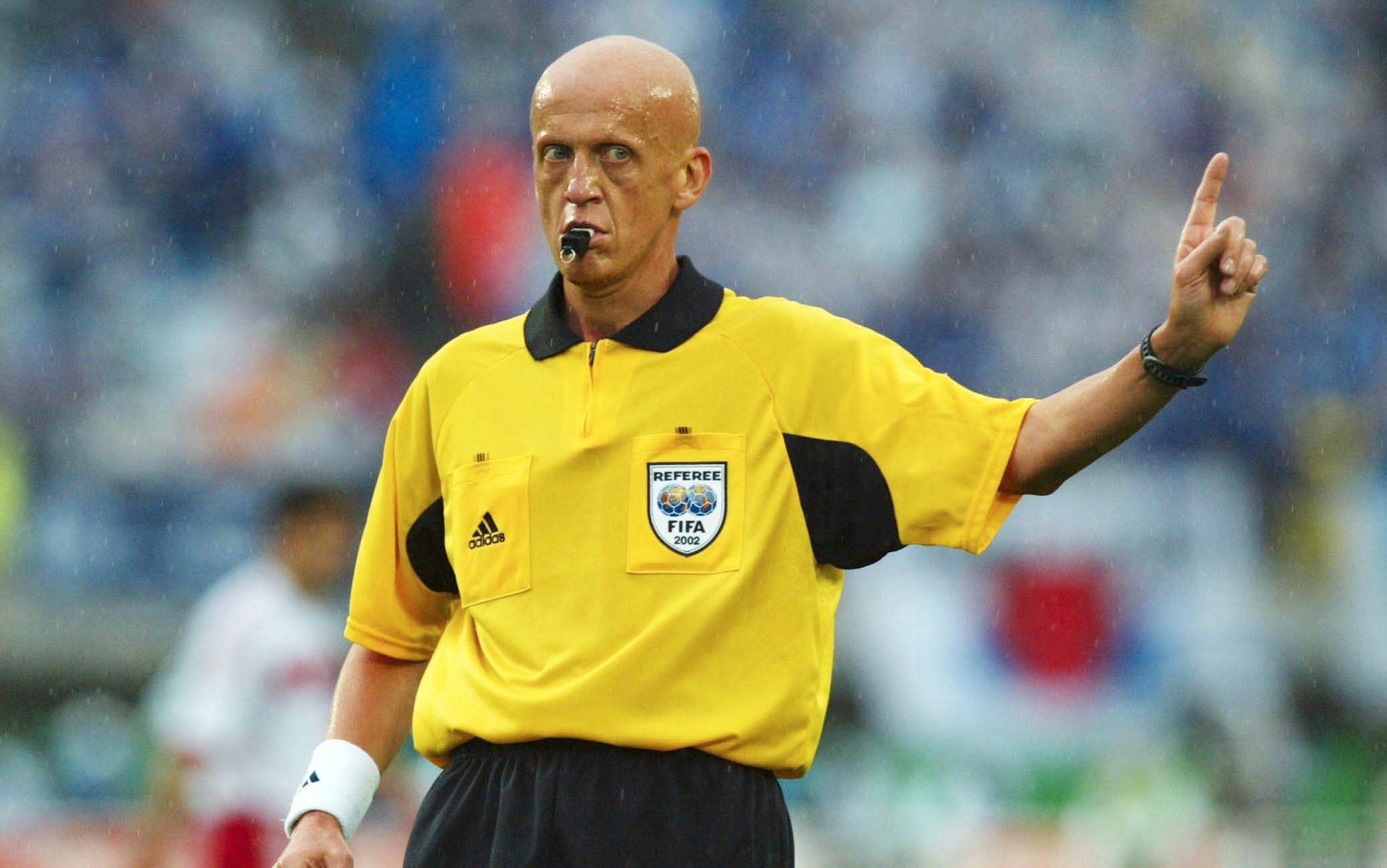
The 2026 World Cup has been marred by refereeing controversies that suggest political influence rather than pure football competition. Critics point to several key incidents: Lionel Messi’s studs‑up challenge on Algeria’s Aïssa Mandi in the group stage drew no card or VAR review, while a similar challenge by USMNT’s Folarin Balogun against Bosnia earned a straight red that was overturned after a personal call from then‑US President Donald Trump to FIFA president Gianni Infantino. In the round‑of‑16, Argentina’s win over Egypt was aided by two VAR decisions that disallowed Egyptian goals, including a foul called 20 seconds before the score that commentators said was beyond VAR’s remit. Similar patterns affected Senegal’s exit against Belgium, where a late penalty awarded after a lengthy VAR review was seen as questionable. Infantino’s post‑match comment that he “suffered with Argentina” and his earlier claim of neutrality have fueled perceptions of bias, especially given past allegations of favorable calls for Argentina in the 2022 final. For African fans, the pattern raises concerns that continental teams may continue to face uneven officiating as they prepare for the 2030 World Cup, which Morocco will co‑host. The analysis concludes that while on‑field mistakes happen, the repeated favorable calls for traditional powerhouses suggest systemic issues that extend beyond individual errors. What steps should African football federations take now to improve VAR literacy, push for more African officials on the world stage, and ensure their teams are prepared to manage leads and resist late‑game collapses?