ADC Alleges INEC Plot to Block Its Candidates from Elections
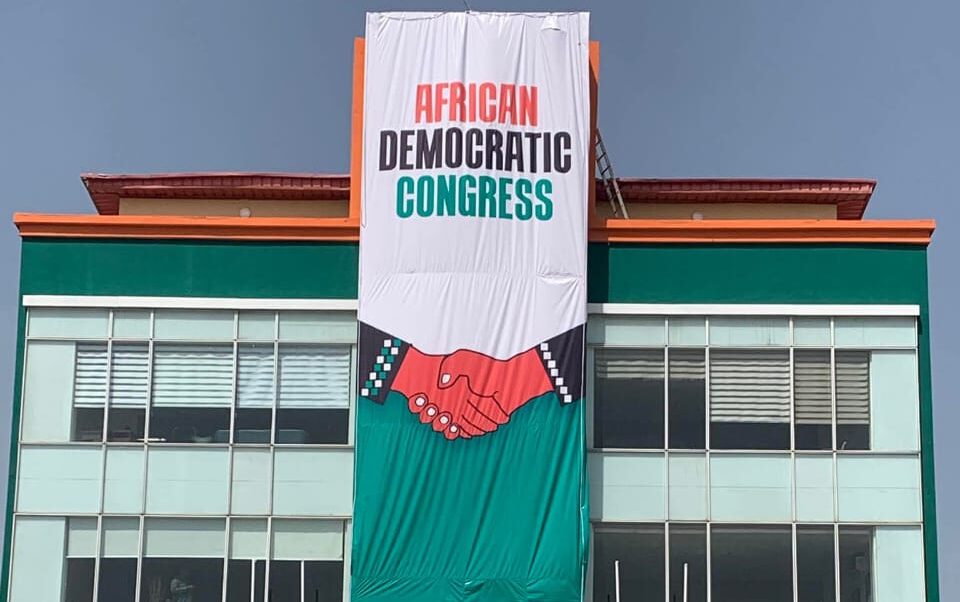
The African Democratic Congress (ADC) alleges INEC is deliberately creating "administrative landmines" to prevent the party from fielding candidates. The core issue: INEC's April 1 decision to stop receiving ADC correspondence pending a Federal High Court ruling on the party's leadership dispute. This directly conflicts with the Electoral Act's strict timelines, including the mandatory 21-day notice period and a May 10 submission deadline. By refusing ADC's communications, INEC effectively ensures the party cannot comply with law unless the court rules by that date—setting up artificial non-compliance.
The leadership dispute pits Senator David Mark's faction against former National Vice Chairman Nafiu Bala. A Court of Appeal dismissed Mark's interlocutory appeal and ordered both sides to maintain the status quo. Yet INEC had already recognized Mark's leadership after the ADC's July 29, 2025 NEC meeting—which INEC monitored, documented, and recorded. INEC's own September 12, 2025 sworn affidavit affirmed the leadership transition was complete and internal party matters fell outside judicial scope.
ADC now demands INEC Chairman Joash Amupitan's resignation and warns citizens of "dangerous machinations to subvert democracy." With the May 10 deadline approaching, this clash threatens to exclude a major party from ballots, raising serious questions about electoral integrity and the commission's impartiality. The Electoral Act's tight windows leave little room for delayed judicial resolution.
Will this INEC action disproportionately marginalize smaller parties, or is it legitimate case management? How should citizens respond to potential electoral manipulation? What alternatives exist to ensure ADC's participation if the court delays?