Attitude, not resources, determines Africa's development trajectory argues Premium Times op-ed
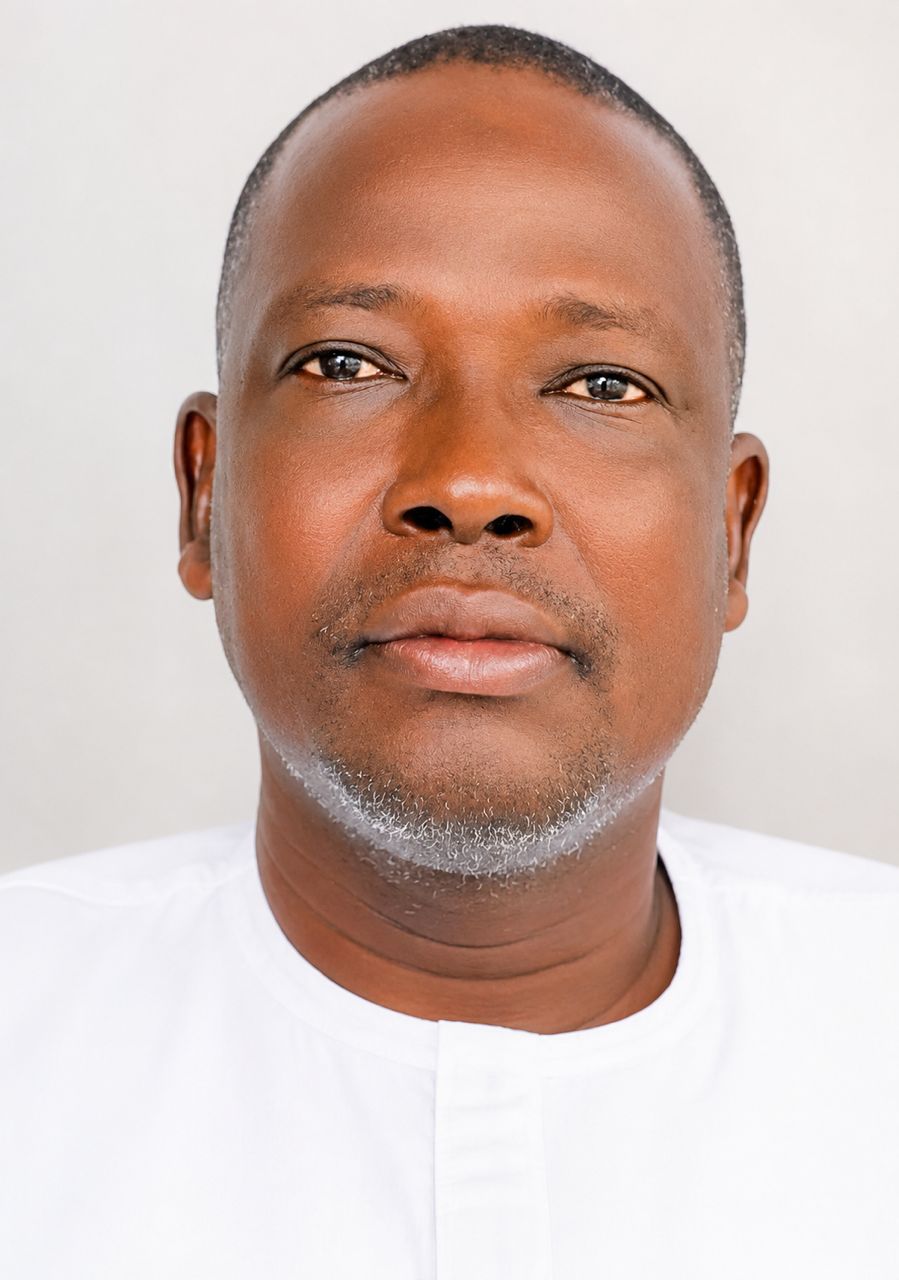
Premium Times opinion piece by Mohammed Salihu Shaba contends that national attitude—not infrastructure gaps, funding shortages, or weak institutions—is the overlooked core factor determining whether African nations develop or stagnate. The author argues attitude shapes leadership decisions, citizen expectations, institutional efficiency, and ultimately national destiny, rendering abundant resources meaningless without collective responsibility, accountability, patriotism, and excellence.
Shaba challenges the notion that "change takes time," suggesting societies often lack seriousness and discipline rather than capacity. He cites historical examples where war- or poverty-stricken nations rose rapidly through urgency, meritocracy, and service-oriented mindsets, contrasting them with countries where corruption, impunity, and lowered expectations became normalized through ethnic/religious/political loyalties. The piece emphasizes attitude's role in economic development, noting investors prioritize predictability and professionalism over raw resources, while hopelessness among citizens triggers talent flight and psychological surrender more destructive than poverty itself.
Despite diagnosing deep-seated attitudinal problems, Shaba expresses optimism: mindsets can change when leadership demonstrates sincerity, institutions reward competence, and citizens demand higher standards. He calls for leaders to embrace service over privilege, citizens to adopt civic responsibility, and institutions to prioritize integrity—arguing development ultimately depends "less on what it possesses and more on the attitude with which it confronts its challenges." The op-ed concludes with the pivotal question: whether nations possess the attitude to succeed, not just the resources.