Colorectal cancer often asymptomatic early—screening vital for Nigerians
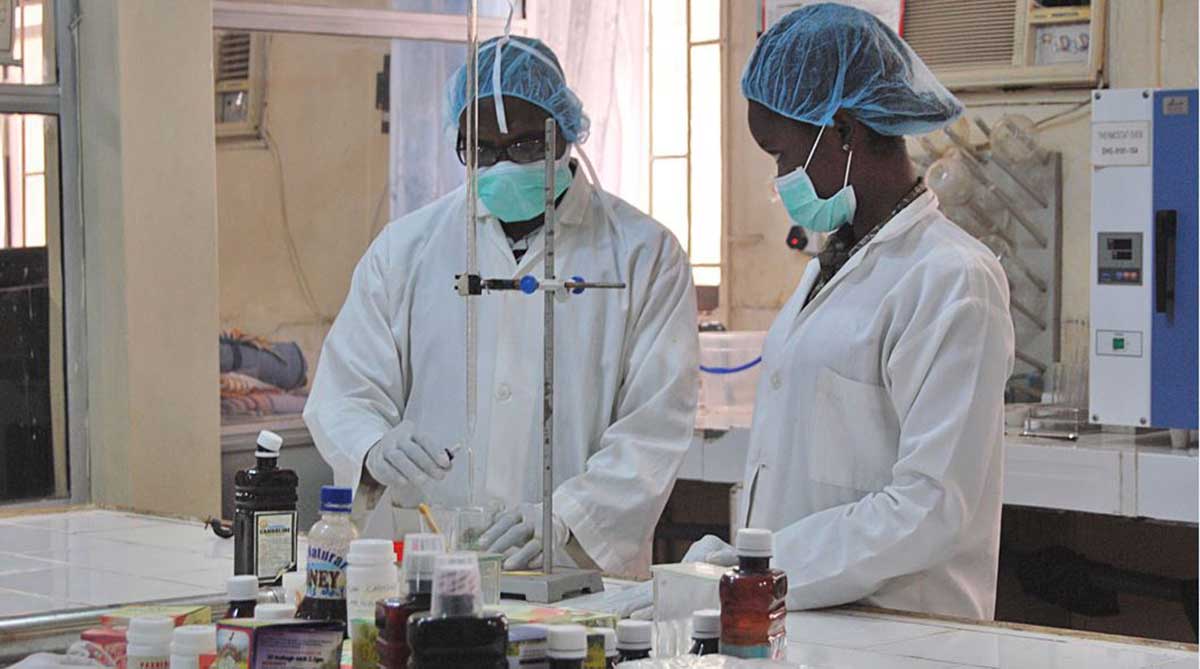
Colorectal cancer affects the colon and rectum and often shows no symptoms in early stages, making it dangerous if undetected. The World Health Organisation recorded 1.9 million new cases and over 900,000 deaths globally in 2022. Symptoms, when present, include blood in stool, persistent changes in bowel habits, abdominal pain, unexplained weight loss and fatigue.
Screening tests like the Faecal Occult Blood Test (FOBT) and Faecal Immunochemical Test (FIT) can detect hidden blood in stool but do not diagnose cancer; a positive result requires follow‑up colonoscopy and biopsy for confirmation. In Nigeria, a community‑based study found FIT screening feasible, yet follow‑up colonoscopy remains limited by few facilities and high costs, hindering early treatment.
Mr Adedoye David, a medical laboratory scientist, advises Nigerians to seek medical advice for any persistent symptoms, discuss risk with healthcare workers if they have a family history of colorectal cancer or long‑term inflammatory bowel disease, and overcome embarrassment about providing stool samples. He stresses that screening is only useful when the health system can support further investigation and treatment.
If you notice blood in your stool, changes in bowel habits, or ongoing abdominal discomfort, visit a health facility promptly. Regular screening is recommended for those over 45 or with risk factors, but only after confirming that colonoscopy services are accessible in your area.