Column: Comparing Tinubu and Abacha—different tactics, similar control?
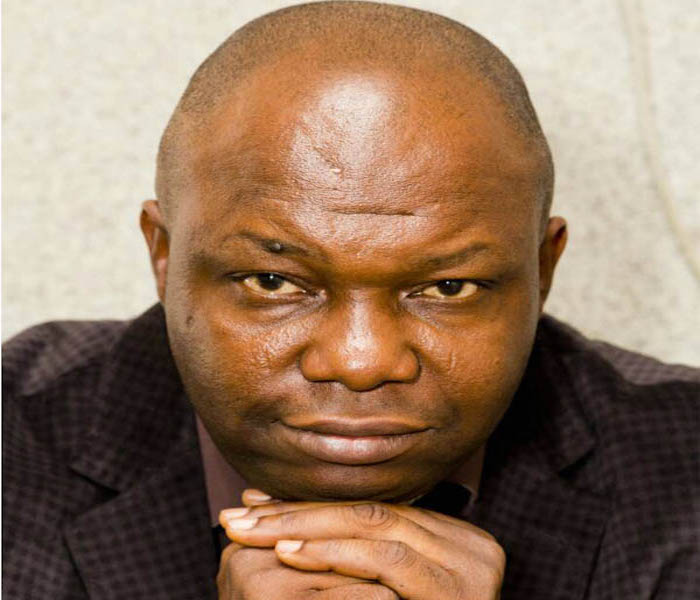
A recent column by Ibadan-based journalist Festus Adedayo delves into the backlash against veteran journalist Dele Momodu’s comparison of President Bola Tinubu to the late military dictator General Sani Abacha. On Channels Television’s "Politics Today," Momodu drew the parallel, prompting Femi Fani-Kayode ("Fani Power") to accuse him of "disrespect" to Tinubu, his ministers, and "the collective intelligence of the Nigerian people."
Adedayo traces the historical weight of "disrespect" in Fani-Kayode’s family—his father, Chief Remilekun Fani-Kayode, was historically accused of disrespect in 1961 for snubbing a Governor-General. He then contrasts Abacha’s brutal, coercive rule (1993-1998) with Tinubu’s approach. Adedayo argues Tinubu, a former NADECO activist, employs what he calls "despotism by other means"—influencing through cultural hegemony, dispensing cash and positions to elites, and co-opting opposition rather than eliminating them by force. He points to Tinubu’s control over 30 governors, his handling of political criminals, and alleged use of social media recruits to silence dissent.
Adedayo rejects the defense that comparing the two is inherently disrespectful or false. He asserts that while methods differ—Abacha used overt violence and killings, Tinubu uses systemic capture—the outcome of consolidated power and weakened opposition is alarmingly similar. He cites political scientist Antonio Gramsci’s theory of cultural hegemony to describe Tinubu’s strategy of winning consent.
Rather than endorsing Momodu’s comparison or Fani-Kayode’s outrage, the column urges a rational examination: Is Nigeria drifting toward autocracy through "soft" control rather than overt military rule? The author calls out apologists like Reno Omokri for whitewashing and asks citizens to ponder Marcel Dirsus’s warnings in "How Tyrants Fall" about dictators maximizing power and enrichment.
This analysis suggests that evaluating Nigeria’s democratic health requires looking beyond formal structures to how power is actually exercised and dissent managed.