Cooking gas prices surge nationwide amid Middle East tensions, government intervention shows limited relief
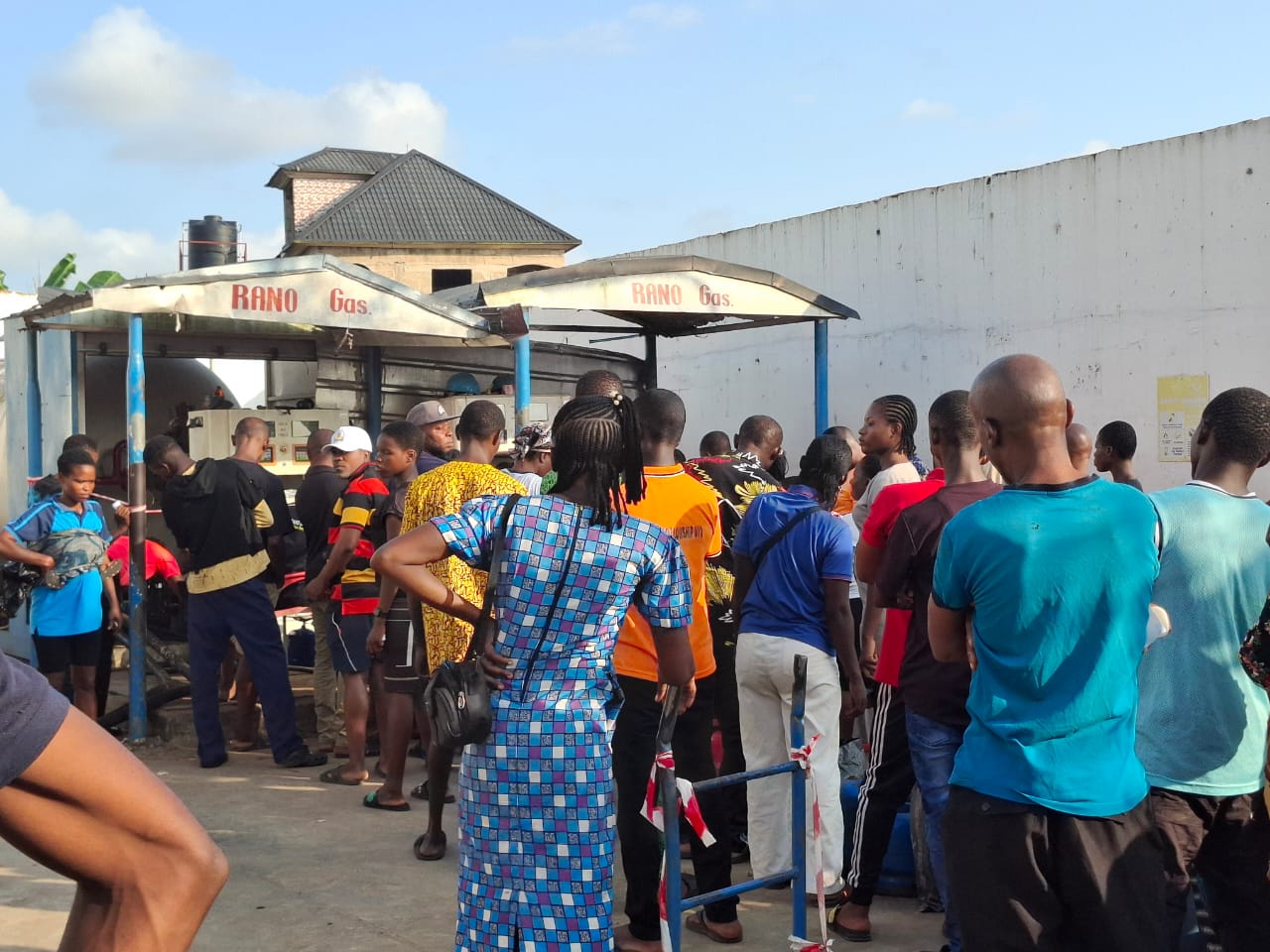
Liquefied Petroleum Gas (LPG) prices jumped from ₦1,100–₦1,350 per kilogramme in April-May to between ₦1,700 and ₦2,500 during June supply disruptions triggered by Iran-Israel-US tensions. In Lagos, Lolade Fayemi saw prices spike from about ₦1,700 to ₦2,500 per kilogramme within a week, forcing her to buy only 1kg instead of planned 2kg. A Premium Times survey across all six geopolitical zones confirmed households nationwide reduced refill quantities, delayed purchases or returned to firewood and charcoal.
Prices peaked at ₦2,000 per kilogramme in Lagos and above ₦1,600 in Abuja before easing to between ₦1,250 and ₦1,800 by early July. However, consumers report only modest relief—gas still costs well above pre-crisis levels. Small businesses like Helen Ikwuoche, who runs a restaurant in Abuja, saw refill costs rise from ₦12,000 to over ₦22,000 for her 12.5kg cylinder, forcing partial use of charcoal.
Wholesale prices surged from ₦16.5 million per 20-tonne truckload to ₦27.5 million before falling to ₦22 million after ceasefire negotiations. The federal government intervened in late June, directing crackdowns on diversion and hoarding while marketers pledged increased imports. Nigerian Association of Liquified Petroleum Gas Marketers reports depot prices fell 10-18% from mid-June peaks, though regional disparities persist due to transportation costs and inadequate infrastructure.
The price volatility threatens Nigeria's clean cooking transition policy, with households in even gas-producing Akwa Ibom reverting to firewood. Energy experts warn without expanded domestic production and better distribution infrastructure, households remain vulnerable to future global shocks.
Will rising cooking costs force you to adjust meal patterns or cooking frequency, or are you finding alternative energy sources for your household?