El-Rufai: Nigeria's real problem is where talent goes, not lack of it
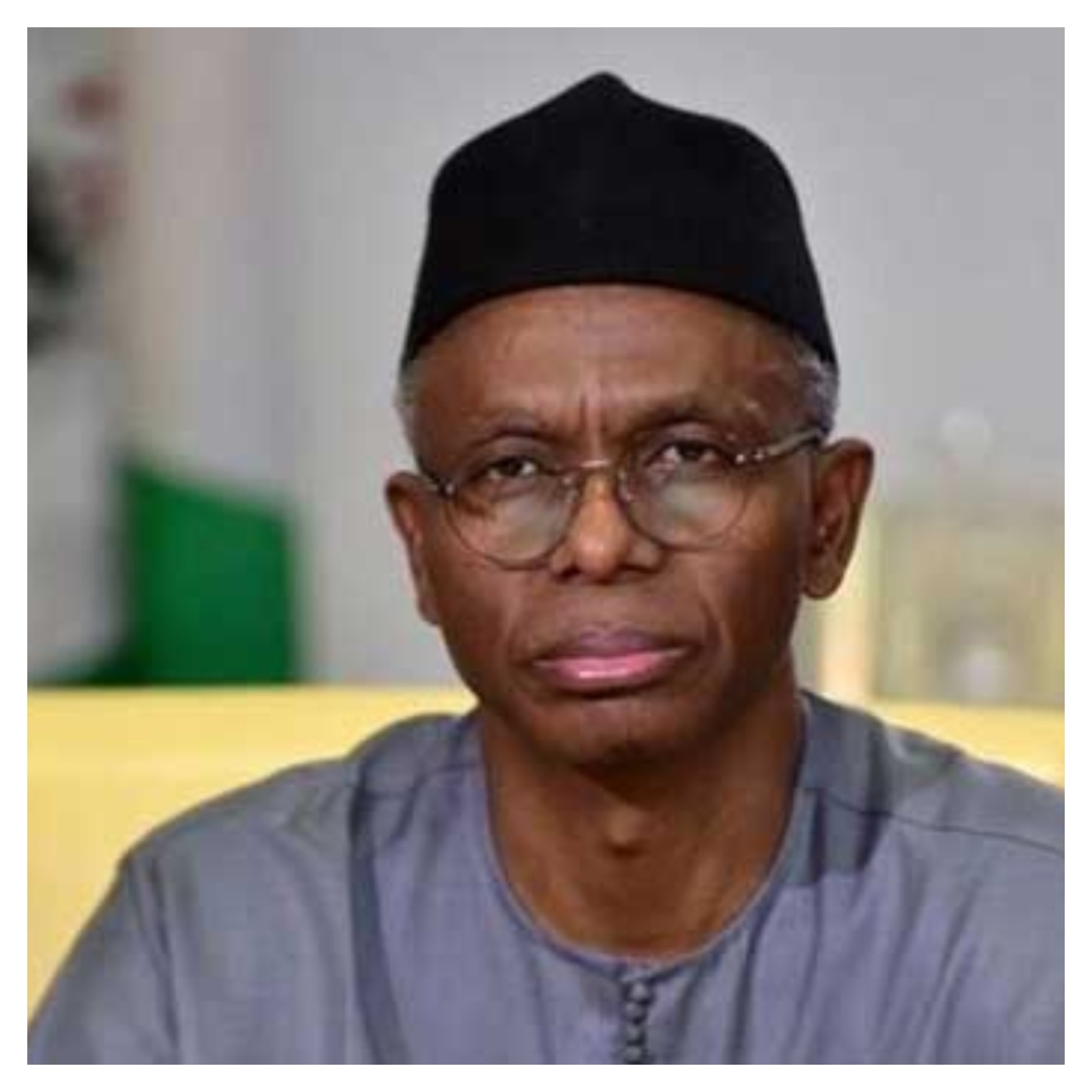
Former Kaduna Governor Nasir El-Rufai, speaking publicly for the first time since his mother's death on March 27 (he was temporarily released for her burial before returning to ICPC custody), says Nigeria's economic stagnation stems from a 'talent-allocation crisis.' According to El-Rufai, the country's brightest minds pursue rent-seeking—competing for existing wealth through government connections—rather than productive entrepreneurship, due to systemic incentives.
He points to Nigeria's 4.1% GDP growth in 2024 and low 8.2% tax-to-GDP ratio as evidence of weak fiscal capacity and an economy that discourages large-scale investment. Unreliable power, inefficient ports, and pervasive informal employment create a high-risk, low-reward environment that drives talent away from value-creating sectors.
El-Rufai calls for sweeping reforms: reducing government discretionary powers, improving regulatory transparency, strengthening contract enforcement, and policies that reward builders over brokers. He sets 24-month targets for improved power supply, reduced port delays, increased formal employment, and higher tax revenue through digitalization.
This analysis from the controversial former governor—currently facing ICPC charges including money laundering—frames Nigeria's economic challenge as structural rather than resource-based. His prescription centers on reallocating talent from extraction to production.
Does your own career or business feel like you're competing for rents or building something sustainable? If Nigeria reformed its incentive structures, would you shift your focus toward scaling productive ventures?