EXPLAINER: What you need to know about methane emissions
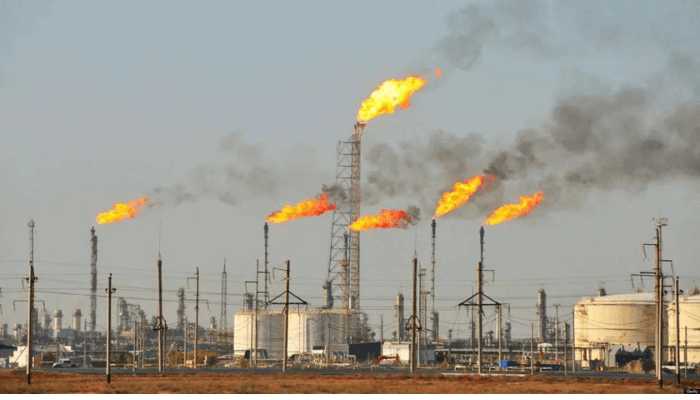
In the Niger Delta, Nigeria, we often see gas flared, with a flame rising into the sky and thick black smoke, like the smoke we see when tyres are burned. Beyond this visible flame and smoke lies a silent, invisible threat that is arguably more dangerous than combining the thick black smoke from a generator, the soot in the air in Port Harcourt, or the piles of refuse on the streets of Lagos. This invisible and silent killer is called methane. It is odourless and colourless, but one of the most powerful “blankets” trapping heat around our planet today. Methane behaves like that unwelcome guest who shows up unexpectedly and unannounced, creating problems hard to ignore. This explainer breaks down what methane is, why it is a major problem for Nigeria, and how it affects the health and pockets of everyday citizens. What exactly is Methane? Methane is the main component of natural gas, making up roughly 70 to 90 per cent of it. This means that when natural gas leaks, what is mostly released into the air is methane. Even the cooking gas used in many homes contains a high proportion of methane. When this gas escapes into the atmosphere without being burned, it becomes a powerful greenhouse gas. Methane is the second most impactful greenhouse gas after carbon dioxide (CO₂). Although it exists in smaller quantities in the atmosphere than CO₂, it traps heat much more effectively. In simple terms, to “trap heat” means methane prevents some of the sun’s warmth from escaping back into space by absorbing and holding that heat, then releasing it into the atmosphere. As methane concentrations increase, they intensify the greenhouse effect, contributing to global warming and climate change. This warming trend is evident globally, with recent years ranking among the hottest on record due to the accumulation of heat-trapping gases in the atmosphere. Much of the methane in the atmosphere comes from human activities. More than half of global methane emissions are linked to fossil fuel production and use, waste decomposition, and agriculture. Sources include oil and gas operations, landfills, rice farming, and livestock digestion. Methane remains in the atmosphere for about 12 years, much shorter than carbon dioxide (CO₂), but it is far more effective at trapping heat. It warms the planet about 86 times more than CO₂ over a 20-year period, and about 28 times more over a 100-year timeframe. How methane is produced Methane is produced during oil and gas extraction and is released into the air mainly through operational practices and equipment failures across the energy value chain. One major source is accidental leaks, also known as fugitive emissions. These occur when equipment such as well pads, pipelines, valves, storage tanks, and compressor stations malfunction or deteriorate. In severe cases, such as well blowouts, large volumes of methane can continuously escape into the atmosphere for weeks or even months. Methane is also released through deliberate operational practices. This includes venting. Venting is the intentional release of natural gas into the atmosphere without burning it. This typically occurs during well completions, routine maintenance, or to manage pressure during equipment malfunctions. Venting is considered extremely environmentally harmful because it releases methane in its pure, most potent form, where its heat-trapping ability is 80 to 90 times stronger than carbon dioxide over a 20-year period. Another pathway is flaring. Flaring is the term used for burning off unwanted gas that cannot be captured or used productively during oil production. Ideally, flaring converts methane into carbon dioxide and water vapour, which have lower climate impacts. However, this disposal method is often flawed because it is frequently compromised by incomplete combustion, in which inefficient operations or poor maintenance prevent the gas from burning completely, allowing raw methane to escape into the atmosphere. The problem is further aggravated by unlit flares that have been extinguished by strong winds or mechanical failures, effectively transforming the flare stack into a massive vent for pure methane. These systemic failures mean that flaring is far less effective than intended, with recent scientific studies using aerial surveys revealing that unlit or malfunctioning flares are actually releasing five times more methane than previously assumed by both the industry and the government. Why is Nigeria a methane hotspot? Nigeria is an oil-producing country, with oil revenue constituting the main economicstay of the country. The sector contributes 5.7 per cent to the national GDP and accounts for up to 92 per cent of foreign exchange earnings. The nation also boasts of the world’s ninth-largest gas reserves. Nigeria’s heavy reliance on oil and gas means that routine flaring, venting, and equipment leaks release substantial amounts of methane, estimated at more than 439.8 kilotons annually. Between 2010 and 2020, the country accounted for about 16 per cent of sub-Saharan Africa’s total methane emissions. Nigeria also remains one of the world’s leading gas-flaring nations, with flared gas volumes rising by roughly 12 per cent in 2024, the second-largest increase recorded globally. These emissions not only intensify climate change but also contribute to environmental degradation, economic losses, and public health challenges, particularly in communities located along the upstream, midstream, and downstream segments of the oil and gas value chain. Other sources of methane Methane emissions do not originate only from oil and gas operations; everyday human activities also play a major role. Livestock such as cows and goats produce methane during digestion, mainly through burping, while rice cultivation contributes because flooded fields create low-oxygen environments where methane-producing bacteria thrive. Waste is another significant source, as large volumes of refuse in dumpsites decompose without sufficient air, releasing landfill gas that is largely methane. Data show that agriculture accounts for about 49 per cent of Nigeria’s methane emissions. Livestock farming, especially cattle, is the largest contributor, driven by enteric fermentation and manure management, while rice cultivation accounts for roughly 7 per cent of agricultural methane emissions from anaerobic conditions in flooded paddies. The waste sector accounts for about 21 per cent of overall methane emissions, with major urban centres such as Lagos and Port Harcourt identified as hotspots due to poorly managed landfills. The real-life impact Methane does more than warm the planet, it affects people’s health and survival in very direct ways. In Nigeria, methane contributes to a growing public health and environmental challenge. One major concern is its role in the formation of ground-level ozone. Unlike the protective ozone layer high in the atmosphere, ground-level ozone is a harmful air pollutant. It irritates the lungs, worsens asthma, and can lead to chronic bronchitis. In densely populated cities such as Lagos and Port Harcourt, this contributes to thousands of hospital visits for breathing-related illnesses each year. Methane leaks also often occur alongside other harmful chemicals known as volatile organic compounds (VOCs), which have been associated with cancer, skin irritation, and developmental challenges in children living in oil- and mining-affected communities. Rising temperatures linked to methane-driven warming can disrupt rainfall patterns, dry out soils, and reduce crop yields, affecting staples such as maize and yams in farming regions like Benue and parts of northern Nigeria. READ ALSO: US/Israel-Iran War (Day 5): Battle of the Waters as Strait of Hormuz comes to focus In the Niger Delta, pollution and heat associated with gas flaring and methane leaks have damaged aquatic ecosystems, leading to declining fish populations and threatening the livelihoods of local fishing communities. Why you should care Methane is a silent thief. It steals our health by polluting our air, steals our food by ruining our soil, and steals our national wealth by wasting precious energy resources. For the average Nigerian, reducing methane emissions isn’t just a scientific goal, it is about having cleaner air to breathe, better crops to eat, and a more stable environment for our children. Methane might be invisible, but its effects are very real. Share this: Click to share on X (Opens in new window) X Click to share on Facebook (Opens in new window) Facebook Click to share on WhatsApp (Opens in new window) WhatsApp Click to share on Telegram (Opens in new window) Telegram Click to share on LinkedIn (Opens in new window) LinkedIn Click to email a link to a friend (Opens in new window) Email Click to print (Opens in new window) Print