FG scraps 6-3-3-4 education system, adopts 12-year schooling amid criticism
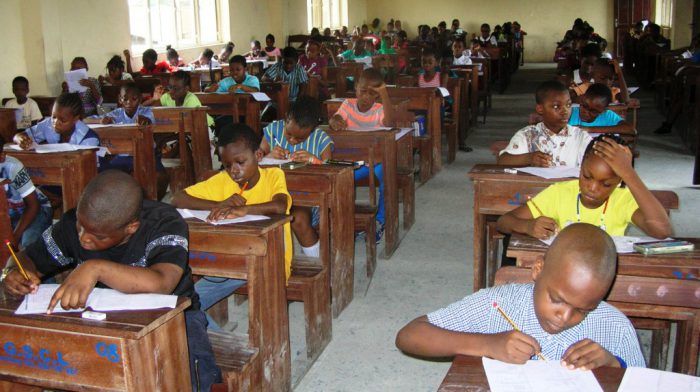
FG abolished the 6-3-3-4 education system, replacing it with a linear 12-year schooling from primary to the end of secondary education. Minister of Education Tunji Alausa announced the change on July 1, describing the transition from Junior Secondary School 3 to Senior Secondary School 1 as a quagmire. He noted 20 million dropouts from primary to JSS and a ratio of one public primary school for every eight JSS schools.
The shift arrives amid deep-rooted problems: a deficit of roughly 195,000 teachers in basic schools, frequent attacks on schools in the North, dilapidated infrastructure, and poverty driving early marriage. Despite ₦97.88 billion UBEC funds lying idle as of March 2026, only 21 states have accessed the matching grant. UNESCO warns Nigeria risks a 'generational catastrophe' without foundational investment. Critics argue the 6-3-3-4 system itself did not fail; poor financing and implementation did.
Under the new model, JSS classes now have 12 subjects (down from 18) and SSS classes 9 (down from 20), with the goal of steering less academically inclined pupils toward vocational skills. Stakeholders insist the real solution lies in building schools, hiring qualified teachers, providing labs and electricity, and ensuring safe learning environments—rather than repeated structural overhauls. As a parent, teacher, or taxpayer, consider whether this reform tackles the root causes of Nigeria’s education crisis or merely reshuffles a broken system while core needs go unmet.