G7 considers boosting oil supply as US–Israel war with Iran drives prices higher
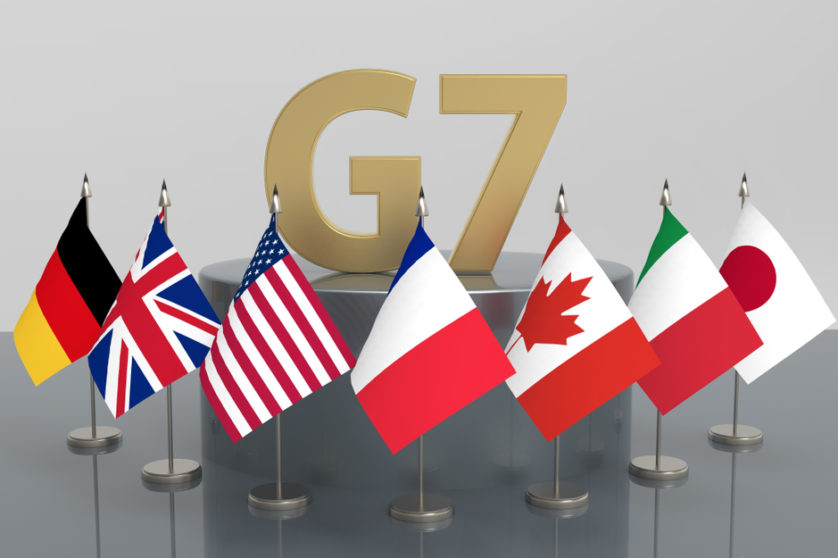
The Group of Seven (G7) nations on Monday reiterated readiness to take “necessary measures” to support global energy supply after the war involving the United States, Israel and Iran pushed oil prices sharply higher. But a meeting of the G7 finance ministers and the International Energy Agency (IEA) ended without an agreement to release strategic crude reserves, the BBC reported. The G7 comprises Canada, France, Germany, Italy, Japan, the United Kingdom and the United States. The development comes amid a sharp surge in global crude prices triggered by supply disruptions linked to the ongoing conflict involving the US, Israel and Iran. Oil prices climbed to nearly $120 per barrel on Monday amid fears of prolonged supply disruptions, triggering declines in global stock markets. In Nigeria, consumers are already feeling the impact of the supply shock caused by the conflict. Within a week, fuel prices have been adjusted twice by major marketers and filling stations in response to fluctuations in oil market. The adjustment became more pronounced after the Dangote Petroleum Refinery increased its petrol gantry price from N774 to N874 per litre last Monday. The price was later revised upward again on Sunday to N995 per litre. Across filling stations in Abuja, petrol was sold at N1,081 and above on Monday. Uncertainty At the virtual meeting of the G7 nations, the possible release of oil from emergency stockpiles was among several options discussed. Fatih Birol, head of the IEA, said global oil markets “have deteriorated in recent days”. “In addition to the challenges of transit through the Strait of Hormuz, a substantial amount of oil production has been curtailed. This is creating significant and growing risks for the market,” the official was quoted to have said. “IEA member countries currently hold over 1.2 billion barrels of public emergency oil stocks, with a further 600 million barrels of industry stocks held under government obligation.” Following the meeting, French Finance Minister Roland Lescure said “we are not there yet” regarding the release of emergency reserves. If reserves are eventually released, it would be the first such move since 2022, when emergency stocks were tapped following Russia’s full-scale invasion of Ukraine. In a statement after the meeting, the G7 said: “We stand ready to take necessary measures, including to support global supply of energy such as stockpile release.” UK Chancellor Rachel Reeves said the country used the meeting to call for “immediate de-escalation” in the Middle East and to guarantee security for ships in the region. “I stand ready to support a co-ordinated release of collective IEA oil reserves,” she added. Major disruptions to energy supplies from the region could push up prices for consumers and businesses worldwide. Rising inflation may also limit the ability of central banks to cut interest rates. READ ALSO: Oil prices soar above $100 per barrel as US/Israel war on Iran disrupts supply About one-fifth of the world’s oil supply normally passes through the Strait of Hormuz. However, traffic through the narrow waterway has largely stalled since the war broke out last Saturday. The United States and Israel launched fresh waves of airstrikes across Iran over the weekend, targeting several sites including oil depots. Meanwhile, Iran struck energy infrastructure in neighbouring Gulf states. Overnight, Saudi Arabia said it intercepted and destroyed two waves of drones heading toward a major oilfield. Share this: Click to share on X (Opens in new window) X Click to share on Facebook (Opens in new window) Facebook Click to share on WhatsApp (Opens in new window) WhatsApp Click to share on Telegram (Opens in new window) Telegram Click to share on LinkedIn (Opens in new window) LinkedIn Click to email a link to a friend (Opens in new window) Email Click to print (Opens in new window) Print