Gender-responsive policies urged to tackle antimicrobial resistance
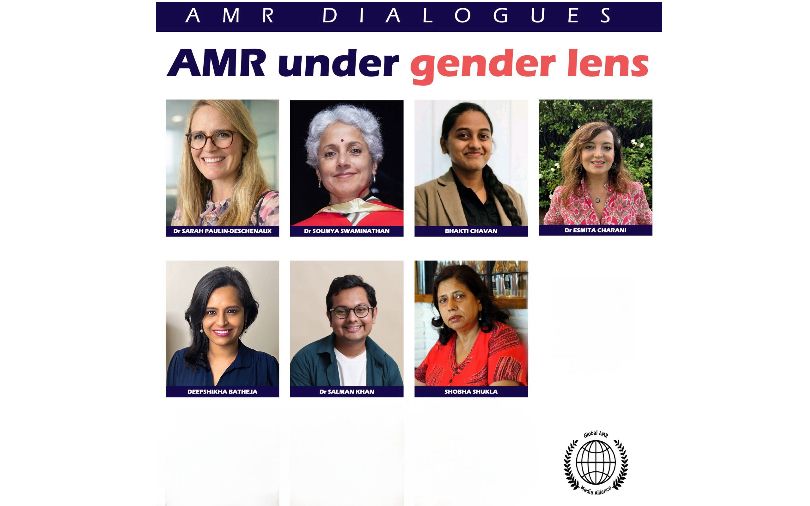
Experts call for gender-responsive AMR strategies to address women's unique health risks. Current approaches overlook barriers women face in preventing and treating drug-resistant infections, according to researchers and public health experts speaking at the March AMR Dialogue session organized by the Global AMR Media Alliance (GAMA). They emphasized that integrating gender considerations into national AMR action plans is essential for improving prevention, diagnosis, and treatment outcomes. Key issues include gender-based violence, unequal access to treatment, and social norms influencing antibiotic use. Women face higher infection risks from domestic violence and delayed healthcare seeking due to stigma or financial dependence. Experts highlighted that women are frequently exposed to infections requiring antibiotics yet rarely discussed in AMR strategies. Recommendations include adding gender-sensitive indicators to national plans, improving access to reproductive healthcare, and linking services addressing gender-based violence to infection prevention. Women can play a key role in promoting responsible antibiotic use through household influence and awareness campaigns.