Insurgents strike Mali towns; government says attacks repelled
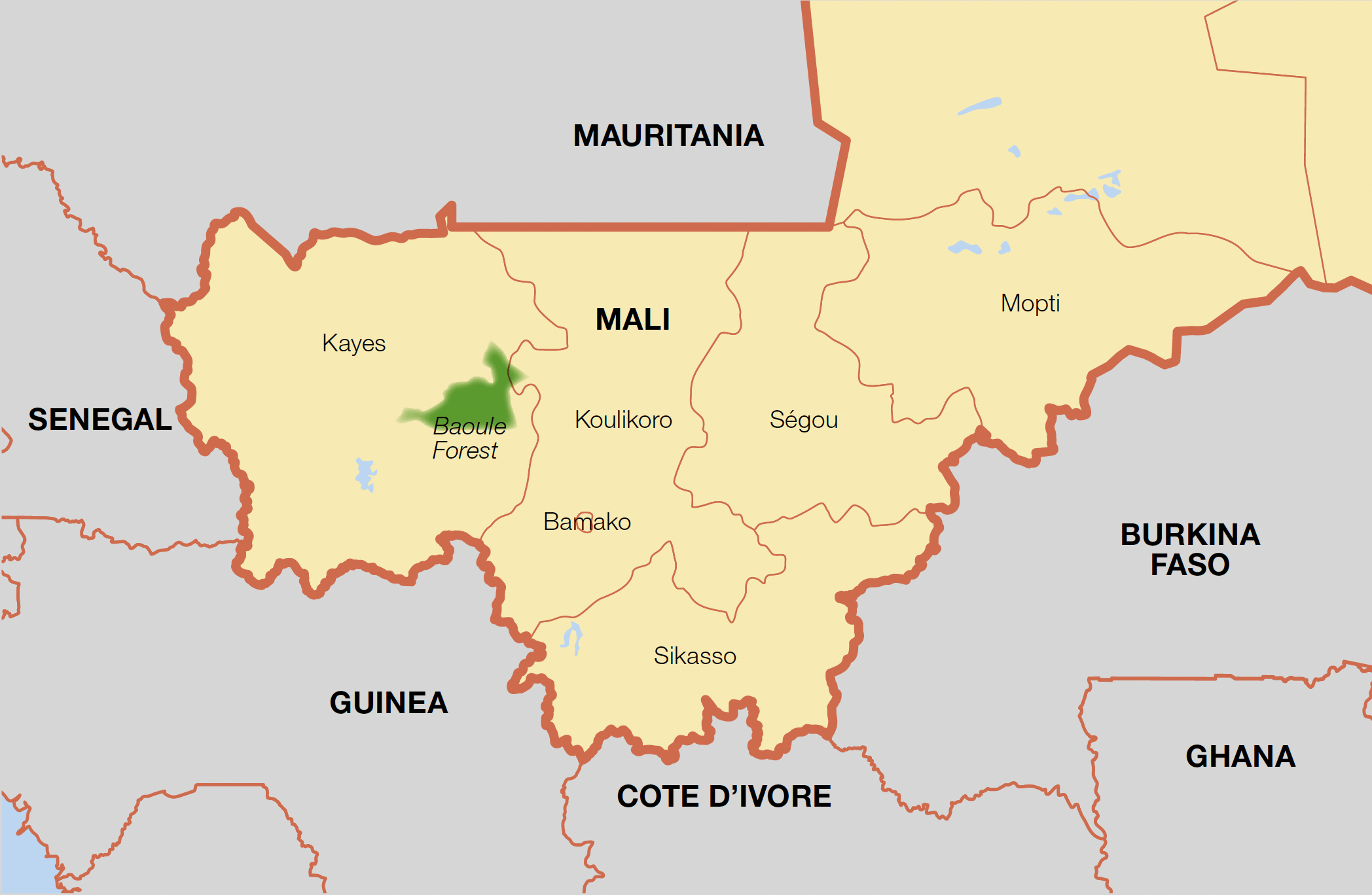
Insurgents attacked five locations across Mali on Saturday, targeting Anefis, Aguelhoc, Gao in the north, Sevare in central Mali, and Kenioroba south of the capital Bamako. The Malian armed forces said they repelled the assaults, declaring the situation "totally under control," and reported that 20 militants were killed in Sevare and six in Gao. One pro-government fighter died and four were injured in Gao.
The attacks highlight the failure of Mali's military leaders, who seized power in coups in 2020 and 2021, to deliver the improved security they promised. They also reveal a growing partnership between the Tuareg-led Azawad Liberation Front (FLA) and the al-Qaeda affiliate Jama'at Nusrat al-Islam wal Muslimin (JNIM), which jointly carried out a high-profile operation earlier this year that hit Bamako's airport and killed the defence minister. Ongoing jihadist violence in Mali threatens regional stability and raises questions about the effectiveness of Mali's security ties with Russia and the United States.
In Kenioroba, a prison holding members of Mali's political opposition was reportedly attacked, though security sources said forces repelled the assailants. Independent verification of the rebels' claims and casualty figures remains pending. For Nigerians, the spillover risk from worsening insecurity in the Sahel underscores the need to monitor regional developments, especially for those with business, familial, or security interests in the region. Will you consider how rising jihadist activity in Mali might affect trade routes, migration patterns, or Nigeria's own security cooperation with neighboring states?