IWD 2026: Lola Fani-Kayode, Amaka Igwe, Funke Akindele, 17 other women who built Nollywood (Part 1)
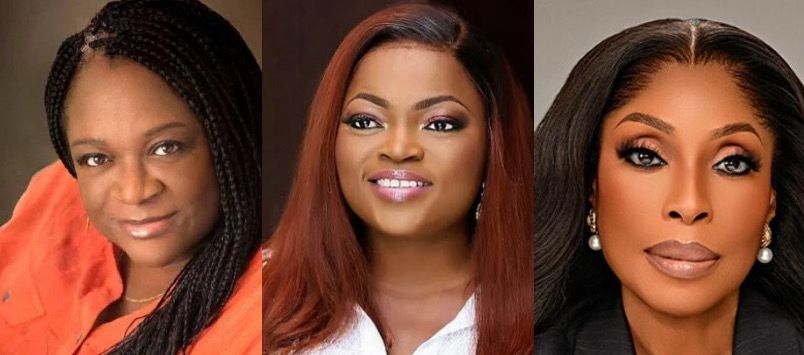
Oftentimes, the story of Nollywood has been told through the achievements of its male pioneers, directors, marketers, and producers who helped turn a fledgling local industry into the world’s second-largest film producer by volume. Yet behind the rise of Nigeria’s film industry stands an equally formidable cohort of women: actors, producers, directors, studio founders and entrepreneurs, whose creativity, resilience and business acumen have immensely shaped the industry across its different eras. In this article, PREMIUM TIMES celebrates International Women’s Day by recognising women who built the Nigerian movie industry, from its foundational days to its globally acclaimed status. From the experimental theatre of the 1960s and 1970s to the VHS-driven home-video boom of the 1990s and the streaming-era global expansion, women have been at the centre of Nollywood’s evolution. The foundational era: Theatre roots and television pioneers Taiwo Ajai-Lycett Taiwo Ajai-Lycett Few names capture the intellectual and artistic roots of Nigerian screen acting like Taiwo Ajai-Lycett. Born in 1941, she trained in theatre in the United Kingdom before returning to Nigeria during the cultural renaissance of the 1970s. Her career spanned stage, television and film. She appeared in influential television dramas such as “Village Headmaster,” “Ripples,” and “Checkmate,” productions that helped establish Nigeria’s early broadcast storytelling tradition. Ajai-Lycett’s contribution extended beyond acting. As a trained arts administrator, she helped professionalise performance culture in Nigeria by mentoring younger performers and advocating for cultural policies that support creative industries. In many ways, she bridged the gap between Nigeria’s theatre heritage and its emerging screen culture. She has been acting since the 1960s. Joke Silva Joke Silva If Ajai-Lycett represented Nollywood’s early intellectual foundation, Joke Silva embodied its transition into mainstream television and film. A graduate of the Webber Douglas Academy of Dramatic Art in London, Silva became one of Nigeria’s most respected performers. Her filmography includes classics such as “Violated,” “The Secret Laughter of Women,” “Phone Swap,” and “The Two Aishas.” Beyond acting, Silva co-founded the Lufodo Group, a theatre and production company that helped nurture new actors and stage productions in Lagos. Through acting schools and theatre initiatives, she has influenced generations of performers. She has been acting since the 1980s and has garnered several awards. Elsie Olusola Telsie Olusola (née Nkune) was among the earliest female producers in Nigerian television drama. She worked with the Nigerian Television Authority (NTA) during the formative years of national broadcasting. She is best known for her role as Sisi Clara in the ‘Village Headmaster’ (1968 – 1988), one of Nigeria’s most iconic television dramas. She was married to Segun Olusola, creator of the ‘Village Headmaster’. Olusola was instrumental in shaping programmes that blended storytelling with cultural education. At a time when television production was heavily male-dominated, she became one of the few women occupying leadership roles in programme creation and talent development. She died at age 37 on 4 July 1991. Amaka Igwe Amaka Igwe No discussion of Nollywood’s early evolution is complete without Amaka Igwe, widely regarded as one of the industry’s most visionary creators. A writer, producer and director, Igwe founded Amaka Igwe Studios and produced influential television series such as “Checkmate” and “Fuji House of Commotion.” Her film “Rattlesnake” (1995) became a landmark production in the early home-video era. Igwe was also a vocal advocate for stronger intellectual property protections in Nollywood. When she died in 2014 at the age of 51, the industry lost one of its most creative architects. Lola Fani-Kayode Lola Fani-Kayode was another key force behind Nigeria’s early television boom. As a producer with NTA, she worked on programmes such as “Mirror in the Sun,” one of the most acclaimed Nigerian soap operas of the 1980s. She was one of the early female directors in Nigeria and a cousin of Femi Fani-Kayode. Her work expanded storytelling possibilities on Nigerian television and introduced audiences to a more cosmopolitan depiction of Nigerian life. The home-video revolution: The rise of screen queens The early 1990s ushered in Nollywood’s VHS revolution, triggered by the success of the 1992 film “Living in Bondage.” As the home-video market exploded, female actors became some of the industry’s most recognisable faces. Omotola Jalade-Ekeinde Omotola Jalade-Ekeinde Omotola Jalade-Ekeinde emerged as one of Nollywood’s earliest superstars. Debuting in the mid-1990s, she appeared in more than 300 films, including “Mortal Inheritance,” “Blood Sisters,” and “Games Women Play.” She debuted in Nollywood with the movie Venom of Justice in 1995, but has since played several roles in titles such as ‘Blood Sister’, ‘Games Women Play’, and ‘Alter Ego’, among others. Her international recognition grew when she was listed among Time magazine’s 100 most influential people in the world in 2013. Jalade-Ekeinde’s most recent project is her directorial debut film, Mother’s Love, released in cinemas on March 6, 2026. Genevieve Nnaji Genevieve Nnaji Genevieve Nnaji became Nollywood’s most recognisable global face in the 2000s. Her acting career began as a teenager in the television soap “Ripples.” She later starred in classics such as “Sharon Stone,” “Blood Sisters,” and “Ije.” In 2018, she directed “Lionheart,” which became the first Nigerian film acquired by Netflix and Nigeria’s first submission to the Academy Awards for Best International Feature Film. Patience Ozokwor Patience Ozokwor Nicknamed Mama G, Patience Ozokwor became famous for her powerful portrayals of villainous matriarchs in films such as “Authority,” “Old School,” and “My Love.” Her versatility as an actress made her one of the most prolific actresses in Nollywood history. Liz Benson Liz-Benson Liz Benson dominated the home-video era with performances in films like “Glamour Girls,” “Diamond Ring,” and “True Confession.” Her ability to portray emotionally complex characters made her one of the industry’s most respected actors. She later withdrew from acting and joined her husband in ministry. However, she recently made a Nollywood comeback in 2024 Clarion Chukwura Clarion Chukwura brought theatre discipline to Nollywood. Her breakthrough came in “Money Power” (1992), for which she won the Best Actress award at the FESPACO film festival. She remains one of Nigeria’s most decorated performers. After several years of hiatus, the veteran actress featured in the Nollywood movie ‘Amina’. Helen Ukpabio Mrs Helen Ukpabio apostle and founder of Liberty Gospel Church Helen Ukpabio emerged as a controversial but influential filmmaker and evangelist whose productions in the 1990s and early 2000s blended religious themes with horror storytelling, contributing to Nollywood’s diverse genre landscape. The Calabar-based actress and founder of Liberty Gospel Church in Cross Rivers State is known for her witch-themed movies from the late 90s and early 2000s, such as ‘Coven’ and ‘Highway to the Grave’. The expansion era: Women behind the camera By the late 2000s, Nollywood began transitioning from mass-produced video films to higher-budget cinema productions. Rita Dominic Rita Dominic Rita Dominic became one of Nollywood’s most respected actors through films such as “76,” “The Meeting,” and “La Femme Anjola.” She later co-founded The Audrey Silva Company, producing critically acclaimed projects that helped raise Nollywood’s production standards. In 2022, Rita Dominic married Fidelis Anosike at Selby Abbey, North Yorkshire, England Stephanie Linus Stephanie Linus, Chairperson NOSC Stephanie Linus expanded Nollywood’s global reach with films such as “Through the Glass” and “Dry.” “Dry,” which addressed child marriage and obstetric fistula, won multiple international awards and demonstrated Nollywood’s potential for socially conscious storytelling. Uche Jombo Uche Jombo became one of Nollywood’s most prolific screenwriters and producers, writing or producing films such as “Damage,” “Holding Hope,” and “Heaven on My Mind.” She has now begun producing her own films on YouTube. Ini Edo Ini Edo Ini Edo rose to prominence with films like “World Apart,” “Games Men Play,” and “While You Slept.” She has remained one of Nollywood’s most recognisable actors for over two decades. Global Nollywood: Streaming, cinema and billion-naira box offices In the last decade, Nollywood has undergone a dramatic transformation, driven by streaming platforms, international co-productions and record-breaking cinema revenues. Women have been at the centre of this new wave. Funke Akindele Funke Akindele Funke Akindele represents the commercial power of modern Nollywood. After gaining fame through the television sitcom “Jenifa’s Diary,” she produced blockbuster films such as “Omo Ghetto: The Saga” (2020) and “A Tribe Called Judah” (2023). Still, her recent movie ‘Behind the Scenes’ became Nigeria’s first film to gross over ₦2 billion at the box office, crowning her the producer with the highest box-office gross. Mo Abudu Mo Abudu Media mogul Mo Abudu has been instrumental in positioning Nollywood on the global stage. Through EbonyLife Studios, she produced films such as “The Wedding Party,” “Òlòtūré,” and “Chief Daddy.” Her company has secured international deals with global streaming platforms, including Netflix. READ ALSO: IWD: Mbah’s wife reaffirms commitment to Enugu women’s well-being, empowerment Bolanle Austen-Peters Bolanle Austen-Peters Bolanle Austen-Peters brought theatre sophistication into Nollywood cinema through films such as “93 Days,” “Collision Course,” and “Funmilayo Ransome-Kuti.” Her productions often combine historical storytelling with high production value. Kemi Adetiba Kemi Adetiba Kemi Adetiba reshaped Nollywood’s crime genre with “King of Boys” (2018) and its Netflix sequel “King of Boys: The Return of the King.” Her cinematic style, blending political drama with crime storytelling, has influenced a new generation of filmmakers. Jade Osiberu Jade Osiberu represents Nollywood’s streaming generation. Her productions include “Isoken,” “Sugar Rush,” “Brotherhood,” and Netflix’s “Gangs of Lagos.” Her films combine commercial storytelling with youthful urban themes that appeal to global audiences. Share this: Click to share on X (Opens in new window) X Click to share on Facebook (Opens in new window) Facebook Click to share on WhatsApp (Opens in new window) WhatsApp Click to share on Telegram (Opens in new window) Telegram Click to share on LinkedIn (Opens in new window) LinkedIn Click to email a link to a friend (Opens in new window) Email Click to print (Opens in new window) Print