Kyari blames El Niño for food crisis, lists Tinubu's farm interventions
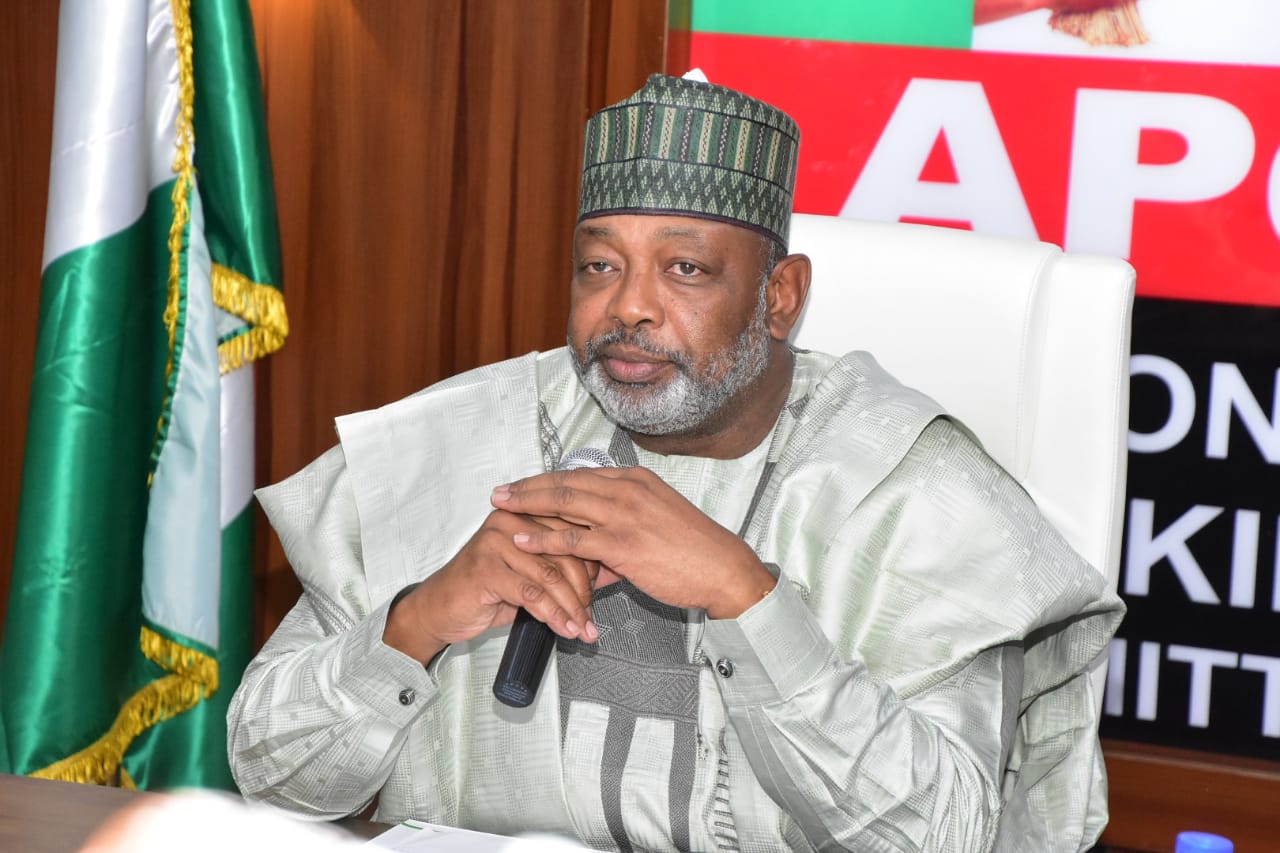
Agriculture Minister Abubakar Kyari attributes Nigeria's worsening food insecurity to Super El Niño and climate change, saying erratic rainfall and extended dry seasons have disrupted planting cycles and slashed farm yields. "Food insecurity is caused by Super El Niño and climate change. It is affecting our farms and food production," Kyari stated today.
The minister outlined the Tinubu administration's response: ramped-up fertilizer distribution, more tractors, expanded irrigation and dry-season farming, increased farm loans, and new storage and processing centers. He also cited security gains in Marte and Guzamala, Borno State—areas previously inaccessible—where officials recently conducted Cadre Harmonisé food security assessments.
What this means for you: Climate-driven shortages won't resolve quickly. Government measures target medium-term production, not immediate price relief. Fertilizer and loan access may improve next planting cycle if distribution works. Northern output could recover if Borno security holds.
Food inflation will likely persist through early 2027. Track fertilizer rollout in your state and dry-season harvest projections for price signals.
With hunger driven by climate more than policy alone, will you adjust household budgets, explore backyard farming, or demand candidates with concrete agricultural plans in 2027?