Lula wins Brazil runoff with 51.75%, Bolsonaro rejects result
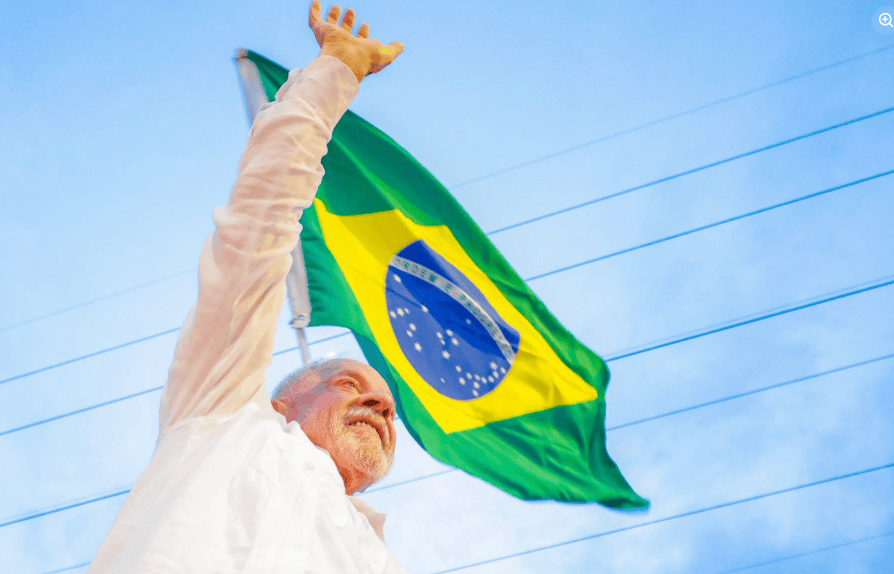
Brazil's President Luiz Inácio Lula da Silva secured a fourth term Sunday with 51.75% of the vote, defeating far-right senator Flávio Bolsonaro (48.25%) in a runoff election, according to the Superior Electoral Court. Lula, who previously served 2003-2010 and 2023-present, overcame a first-round deficit to win. Flávio Bolsonaro, son of jailed former president Jair Bolsonaro (serving 27 years for a 2022 coup attempt), became the first first-round winner to lose a runoff since Brazil's 1988 democratic return.
The result bucks an 18-month trend of seven consecutive right-wing victories across Latin America, leaving the region's two most populous nations—Brazil and Mexico—under left-wing leadership. US President Donald Trump had quietly backed Bolsonaro's campaign as part of a strategy to "restore American preeminence in the Western Hemisphere." Vice President Geraldo Alckmin declared Lula had "for the second time, saved Brazilian democracy." Lula framed the win as a victory for national sovereignty: "Brazil will not accept being in anyone's backyard."
Bolsonaro has rejected the outcome, calling it "impossible" and "inexplicable," and demanded annulment—raising concerns about institutional stability. For Nigerian observers, this mirrors familiar tensions around electoral credibility, incumbency advantage, and opposition refusal to concede. The election also highlights how economic dissatisfaction (rising living costs despite falling poverty) can drive political volatility even when macro indicators improve.
What does Lula's comeback—defeating a dynasty backed by a foreign power—signal about the resilience of democratic institutions when tested by populist rejection of results?