Mojtaba Khamenei absent again as Iran holds funeral for late Supreme Leader
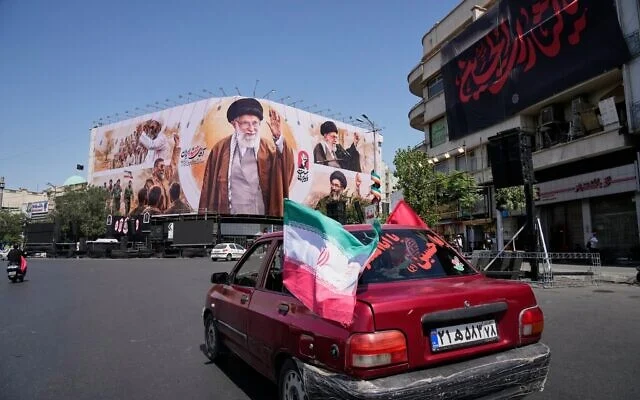
Mojtaba Khamenei, who succeeded his father as Iran’s Supreme Leader, was absent for the second day of state funeral ceremonies for Ayatollah Ali Khamenei in Tehran on Sunday, while three of the late leader’s sons attended mass prayers. Mojtaba has not appeared publicly since he was reportedly seriously injured in the US‑Israeli airstrikes on Iran on February 28, an attack that also killed his father, his wife and one of his sons. According to unnamed IRGC sources cited by The New York Times, he is expected to attend his father’s burial in Mashhad on Thursday to perform the final rites, but security officials have so far blocked his public appearance due to fears he could become a target of another Israeli strike during the high‑profile ceremonies. Iran continues its week‑long funeral observances, with thousands of mourners, officials and foreign dignitaries taking part in events across the country, and the burial is set for Mashhad, one of Iran’s holiest cities.
The uncertainty over Iran’s leadership comes amid heightened regional tensions, including recent strikes and counter‑strikes involving the US, Israel and Iran, raising questions about the stability of Iran’s decision‑making and its potential impact on global oil markets, which directly affect Nigeria’s fuel prices and government revenue. Continued instability could also influence migration patterns and security considerations for Nigerians with interests or family in the Middle East.
Given the unclear health and public presence of Iran’s new Supreme Leader, should Nigerians anticipate possible fluctuations in oil prices or shifts in foreign policy that could affect trade, investment, or safety considerations related to the Middle East?