NASS passes state police bill creating dual police system with governor-appointed commissioners
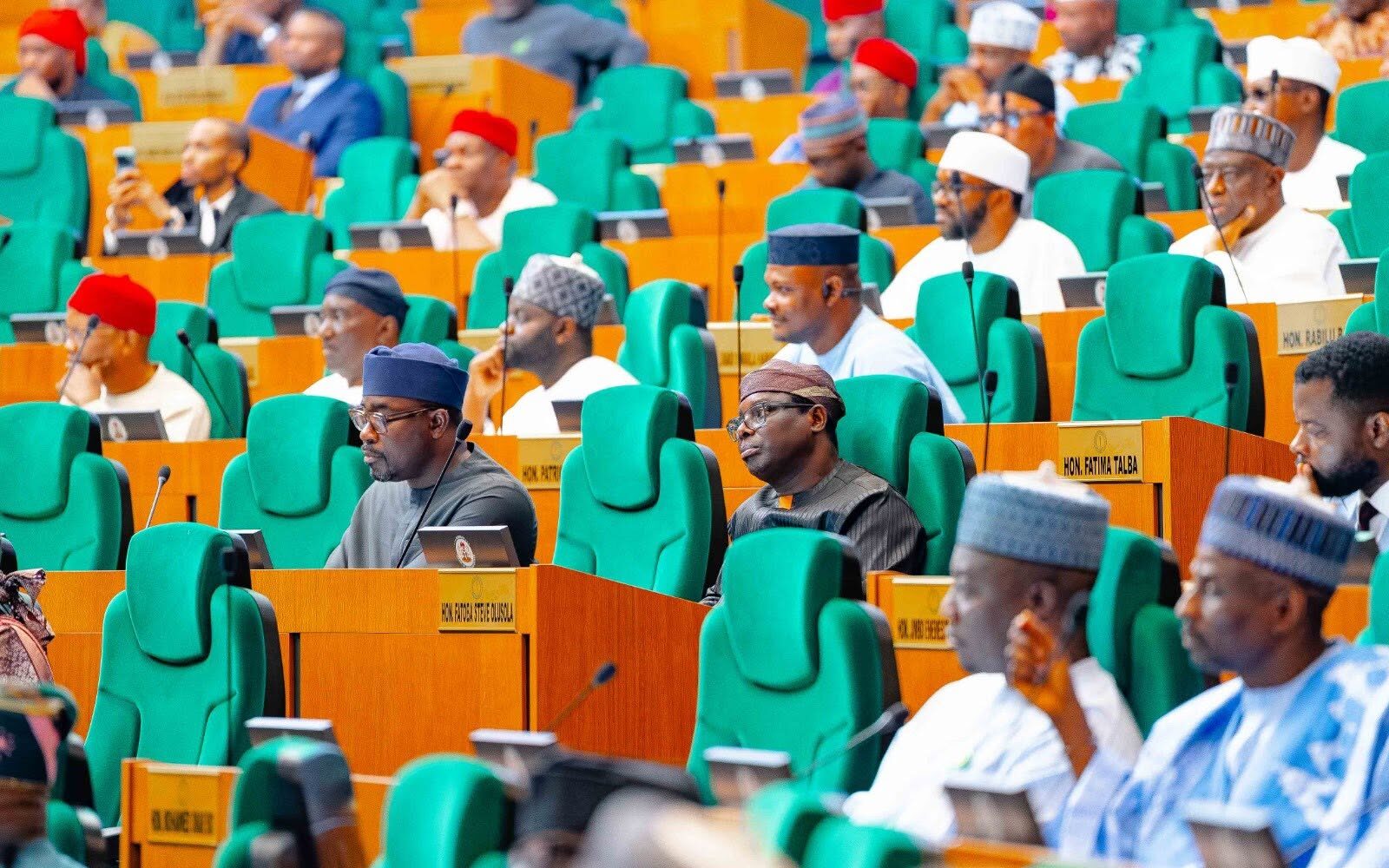
The National Assembly passed a constitutional amendment bill for state police on June 10-11, 2026, with the House of Representatives voting 289-1 on June 11 and Senate approving it Wednesday. The bill creates a dual policing structure comprising federal and state police forces, ending the current centralized system under the Nigeria Police Force. State police commissioners would be appointed by governors but require confirmation from the State House of Assembly and involvement of the National Police Council, which would also handle disputes where commissioners challenge governors' directives as unlawful. The federal government could provide grants for state police funding subject to National Assembly approval, while every state must establish its own Police Service Commission for recruitment and discipline. Proponents argue state police will improve local intelligence gathering and response times to insecurity like banditry and kidnapping, citing successes of regional outfits like Amotekun. Critics warn governors could abuse state police for political purposes during elections despite the National Police Council oversight, and question whether poorer states can sustain effective police services even with federal grants. The bill now requires approval from at least 24 of 36 state Houses of Assembly and presidential assent to become constitutional law. With Nigeria's security challenges evolving and centralized policing seen as inadequate for local threats, will the National Police Council's checks actually prevent politicization of state police, and can financially struggling states maintain professional police forces despite federal grant options?