National Assembly to convene policy dialogue on planning, budgeting reforms
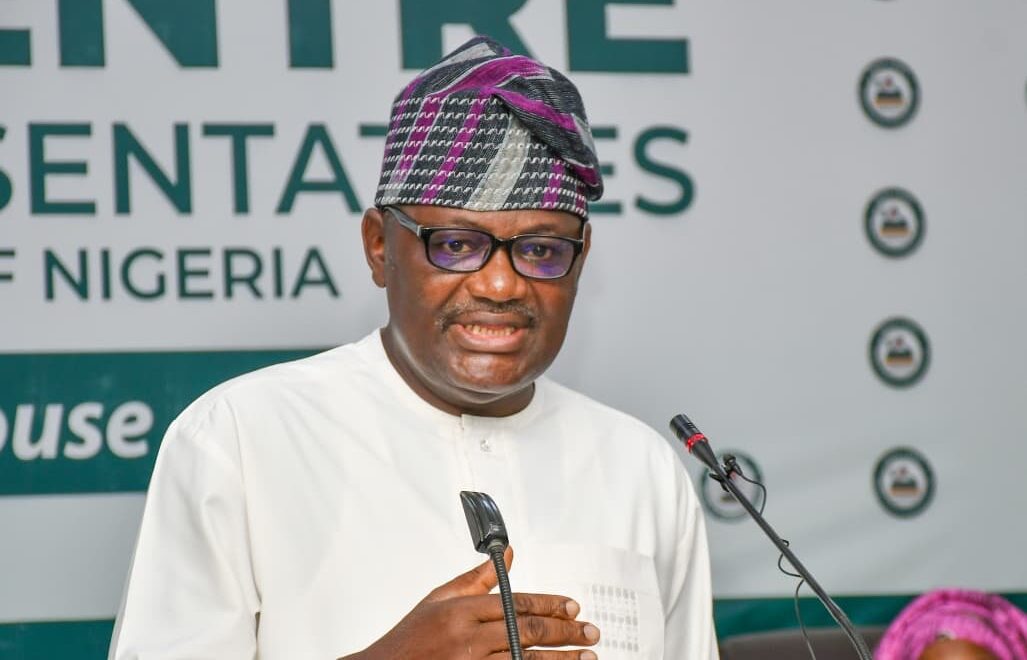
Add us on Google The National Assembly is set to convene a high-level national policy dialogue aimed at overhauling Nigeria’s planning and budgeting framework, as part of broader efforts to reposition the country for a $1 trillion economy. The Chairperson of the House Committee on National Planning and Economic Development, Gboyega Isiaka (APC, Ogun), disclosed this on Monday during a press briefing at the National Assembly in Abuja. He spoke on behalf of a joint committee of the Senate and the House of Representatives. Mr Isiaka said the two-day dialogue will hold on 14 and 15 April at the Bola Tinubu International Conference Centre. googletag.cmd.push(function() { googletag.display('div-gpt-ad-1672626398022-0'); }); According to him, the forum is designed to address longstanding gaps between national development plans and budget implementation. He explained that the dialogue will bring together stakeholders from government, the private sector and policy institutions to develop a more coherent and implementable development framework. The initiative, he added, is being organised in collaboration with the Office of the Vice President, the Ministry of Finance, the Ministry of National Planning and the Budget Office of the Federation, with a focus on aligning development priorities with fiscal realities. Mr Isiaka said Nigeria’s current growth rate of about 3.54 per cent is insufficient to achieve its long-term economic ambitions, particularly the $1 trillion economy target. He noted that growth must significantly outpace the country’s population increase, estimated at 2.7 per cent. “We cannot continue on a business-as-usual trajectory. Our growth must accelerate and be deliberately tied to a structured and implementable national plan,” he said. He recalled previous development frameworks from pre-independence strategies to Vision 2020 and the Economic Recovery and Growth Plan, saying that while some recorded limited success, many were undermined by structural weaknesses, macroeconomic instability and external shocks such as oil price fluctuations. “The lessons are clear: plans alone are not enough. Execution, consistency and adaptability are critical. This dialogue is about getting it right going forward,” he added. Mr Isiaka said the forum would provide a platform for engagement among policymakers, legislators, heads of ministries, departments and agencies, as well as experts in finance, procurement and economic planning. He noted that the goal is to produce practical and measurable outcomes. “We are bringing everyone to the table to build consensus around a planning and budgeting system that delivers real results for Nigerians,” he said. Also speaking, the Deputy Chairperson of the House Committee on Budget and National Planning, Clement Jimbo (APC, Akwa-Ibom), stressed the importance of strategic planning to national development, warning that weak frameworks could continue to hinder economic progress. “If you fail to plan, you are invariably planning to fail,” he said, citing countries such as Singapore as examples of how disciplined and forward-looking policies can drive transformation. Mr Jimbo said even modest gains from the dialogue could significantly improve Nigeria’s planning outcomes. “Even a one per cent improvement from the ideas generated here will enhance our planning process and results,” he noted. On the current budgeting model, particularly the envelope system, he acknowledged concerns but said no system is without limitations. He explained that while alternatives such as zero-based budgeting have merits, they may be difficult to implement fully given the size of government operations. ALSO READ: Nigerian govt to host Health Financing policy dialogue in September “With over a thousand MDAs, adopting zero-based budgeting wholesale could be time-intensive and impractical. What we need is a system that reflects our realities while improving efficiency and accountability,” he said. He added that the dialogue would examine options such as performance-based budgeting, with breakout sessions expected to allow MDAs to share experiences and propose context-specific reforms. Responding to questions on managing potential oil windfalls, Mr Jimbo said while the responsibility largely rests with the executive, there are strategies to ensure fiscal stability, including saving excess revenues and adjusting budgets to reflect changing economic conditions. “There are multiple pathways to managing windfalls effectively, and with the right framework, Nigeria can optimise such opportunities,” he said. The lawmakers expressed optimism that the dialogue would mark a shift in Nigeria’s approach to development planning, laying the foundation for a more coordinated, responsive and results-driven budgeting system. Share this: Click to share on X (Opens in new window) X Click to share on Facebook (Opens in new window) Facebook Click to share on WhatsApp (Opens in new window) WhatsApp Click to share on Telegram (Opens in new window) Telegram Click to share on LinkedIn (Opens in new window) LinkedIn Click to email a link to a friend (Opens in new window) Email Click to print (Opens in new window) Print