NFF Board Resigns Amid Failures as FIFA Halts Congress for Abuja Investigation
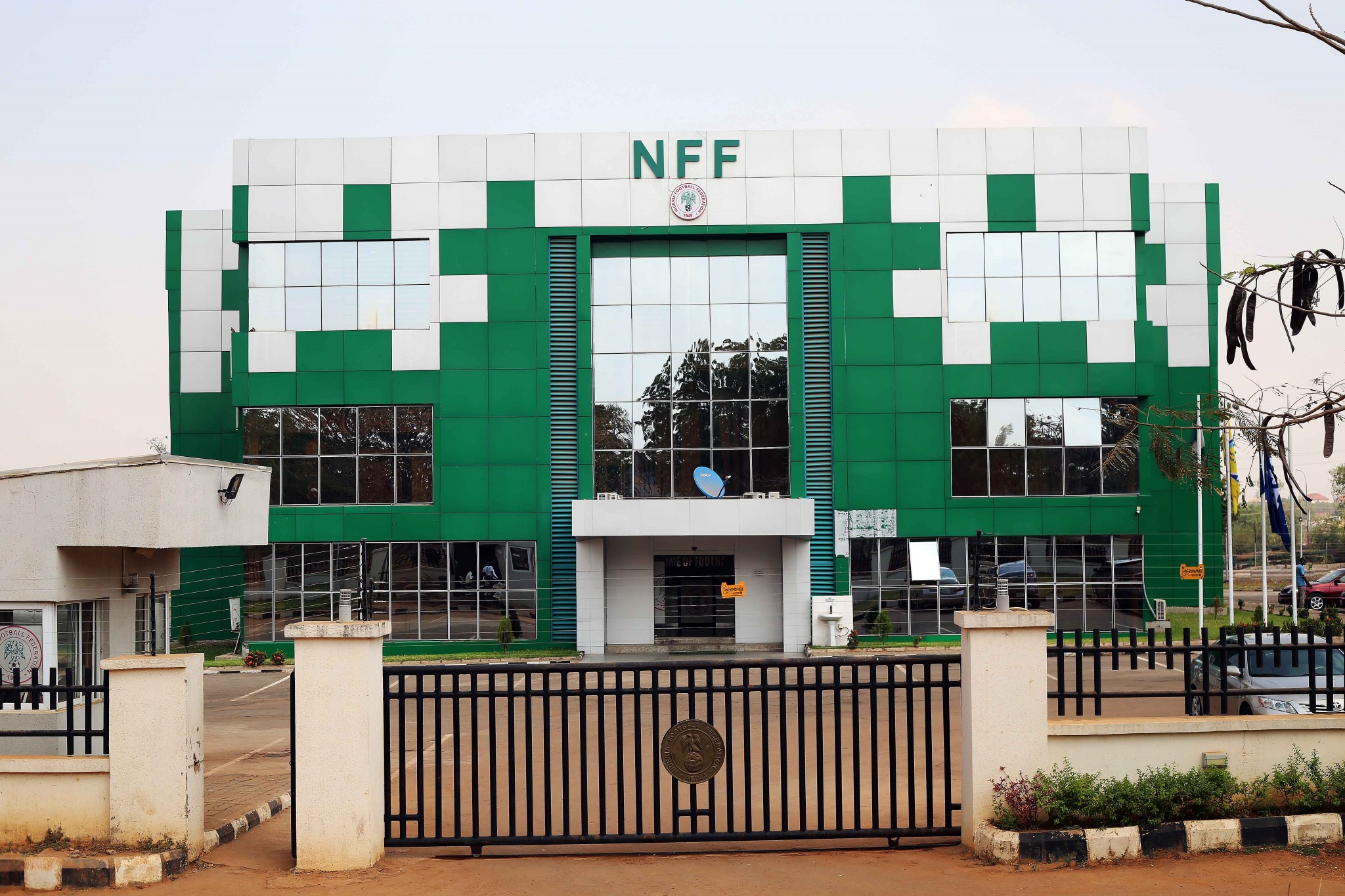
Nigeria Football Federation's 13-member board, led by Chairman Ibrahim Gusau, resigned en masse in late August 2026, just 34 days before their term expiration. The resignation followed multiple failures: Super Falcons' loss to Cameroon in the WAFCON quarterfinals (eliminating them from 2027 Women's World Cup contention), Super Eagles' second straight miss at the 2026 World Cup, and youth team absences from their respective tournaments.
These results have devastated football-loving Nigerians who see the sport as a vital source of national unity and youth opportunity. Compounding the sporting failures, a ₦12 billion federal intervention fund released in 2024 to clear players' allowances and bonuses over 15 months is now under investigation by EFCC and ICPC for potential misappropriation, with additional reports of ₦1.5 billion in unpaid arrears for youth teams.
FIFA responded to the crisis by halting the NFF's scheduled elective congress for September 27 in Lafia, Nasarawa State, via a September 7 letter demanding a joint CAF-FIFA fact-finding mission to Abuja. The mission will assess NFF's regulatory framework and stakeholder positions before any leadership restructuring. President Bola Tinubu has publicly endorsed comprehensive football reform to address systemic deficits, emphasizing that proper administration is crucial for maximizing Nigeria's football talents and preserving the sport's role as a social cohesion tool.
With FIFA investigating fund use and pausing elections, should Nigerians insist on transparent accounting of the ₦12 billion intervention fund before accepting new leadership, or allow the reform process to proceed without full financial accountability?