Niger Delta Games signal bright future for Nigerian athletics
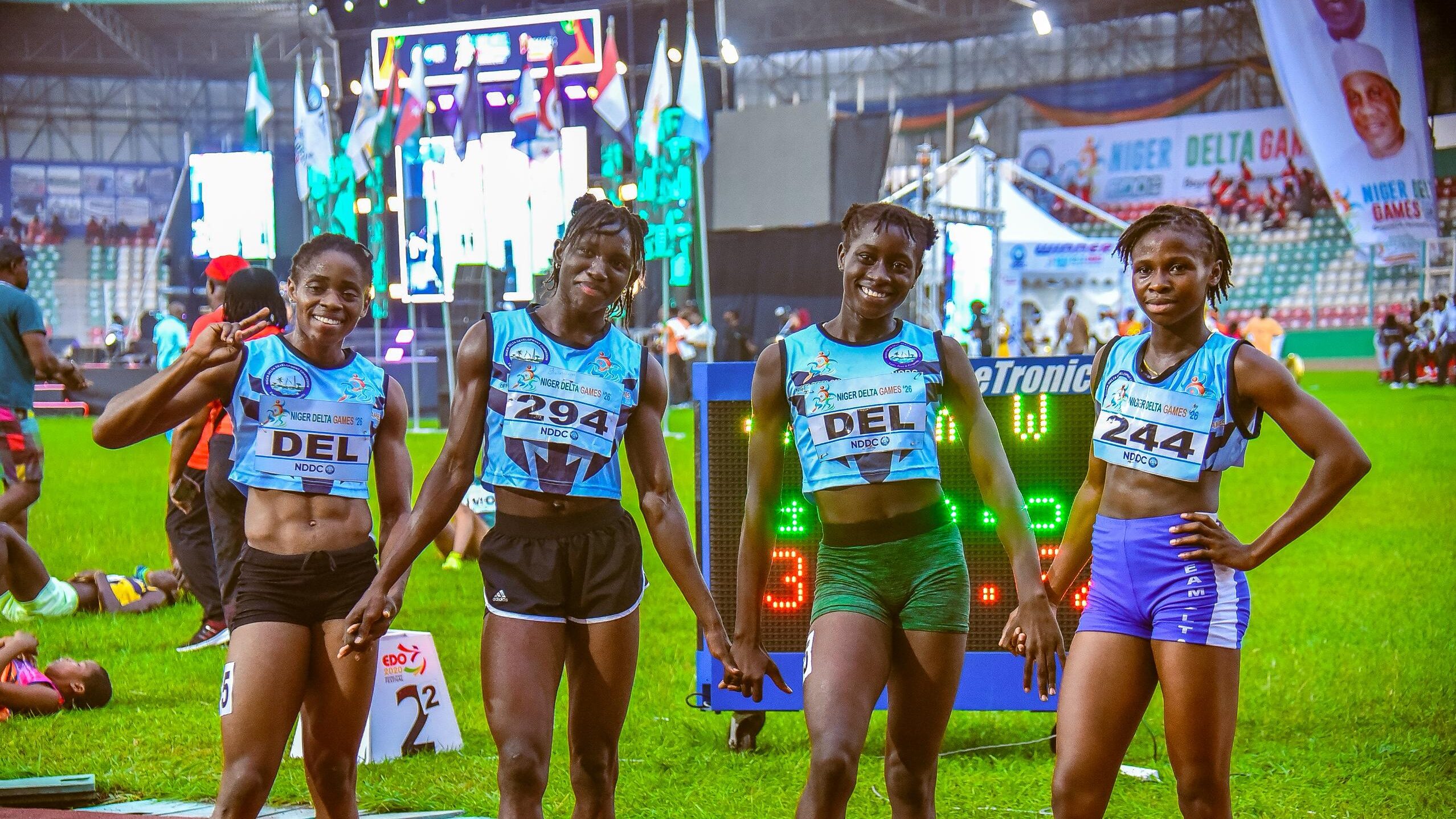
Five days of intense competition at the second edition of the Niger Delta Games (NDG) ended on Thursday, 26 February, with a colourful closing ceremony at the Samuel Ogbemudia Stadium in Benin City, Edo State. While Edo State emerged overall winners with 52 gold medals — a rare feat for a host state at a multi-sport national event — the dominant conversation as delegates departed the ancient city centred not on the medal table, but on the quality of athletics on display. From the opening-day 100 metres finals to the closing relay events, the track witnessed a succession of blistering performances that reaffirmed the Niger Delta’s long-standing reputation as a cradle of Nigerian athletics talent. Over the decades, the region has produced some of the country’s finest sprinters, quarter-milers and field athletes, many of whom have excelled on continental and global stages. Delta State once again underlined its dominance in track and field, claiming 13 gold medals, largely in the sprints and relays, despite stiff competition from Edo, Bayelsa, Akwa Ibom and Cross River states. Edo State found success in the field events, while Akwa Ibom and Cross River shared honours in the middle- and long-distance races. The winning 4x100m quartet (Credit: NDG Media) “Nobody can take it from Delta State in athletics; they have a very good structure that produces quality athletes every year,” said Mutiu Oluwa, an athletics coach with Edo State. “If other states like Edo can do what they are doing, then it is going to be a total showdown in future Niger Delta Games,” he added. The relay events provided a fitting climax. Delta State won three of the four relay gold medals on offer, narrowly missing a clean sweep after Akwa Ibom claimed victory in the men’s 4x400m. “The athletes gave it everything that they had, because everyone wanted to make a statement. This is good for Nigerian athletics. Looking at the quality of the contest and running talents, the competition was very encouraging. This is just the start, and I believe with many more to come, this country can boast of many athletes in the near future,” said former Nigerian sprint champion Seun Ogunkoya. New champions on the horizon (Credit: NDG Media) Among the standout performers was Ejiro Peters, who claimed a sprint double in the women’s 100m and 200m, in addition to gold in the 4x100m relay. Osama Chibueze matched that feat in the men’s sprints for Delta State, also contributing to victory in the 4x100m. Cross River’s David Udoh disrupted Delta’s dominance by winning the men’s 400m and helping his state secure gold in the men’s 4x400m relay. Treasure Okereke had earlier clinched gold in the women’s 400m and played a key role in Delta’s triumph in the women’s 4x400m. In the middle distances, Akwa Ibom’s Hephzibah Okon impressed in the women’s 800m but fell short of a double after Cross River’s Godsmind Eteng claimed the 1500m title. Emmanuel Asuquo triumphed in the men’s equivalent. Edo’s Treasure Omosivwe dominated the women’s high jump, matching her personal best of 1.75m to secure gold, in a contest where she appeared in a class of her own. “What we have seen here at the Niger Delta Games is quite encouraging. Nigeria, most especially the Niger Delta region, is blessed with athletic talents,” said Joyce Bozimo, organiser of the Warri Effurun Peace Marathon. “Our only wish is that there should be a follow-up on these athletes. We can have a camp like we used to have in Afuze, where they could be trained, mentored and conditioned to become world champions.” She also commended the overall organisation of the athletics events, describing it as excellent. READ ALSO: Edo crowned champions as 2nd Niger Delta Games close in Grand style Chairman of the organising committee, Itiako Ikpokpo — who also heads the Delta State Athletics Association — worked closely with the technical committee led by Enefiok Odo-Obong to ensure smooth conduct of the track and field programme. Mr Ikpokpo revealed that the Games Scouting and Mentorship Committee monitored events across venues and would present recommendations on the next phase of athlete development. He urged state governments to take responsibility for nurturing identified talents. “All said, Dunamis-Icon Limited and the Niger Delta Development Commission (NDDC) do not own these athletes, and we don’t intend to. We have only provided a platform for the athletes to showcase their talents, and it is the states and the Federal agency that have the responsibility to make them national and international champions, ” Ikpokpo said at a media conference before the Games concluded. The proprietary rights to the Niger Delta Games are owned by Dunamis-Icon Limited, with sponsorship from the Niger Delta Development Commission (NDDC). Beyond medals and podium finishes, the second edition of the Games may ultimately be remembered for something more enduring — the strong indication that Nigeria’s next generation of track and field stars is already emerging. Share this: Click to share on X (Opens in new window) X Click to share on Facebook (Opens in new window) Facebook Click to share on WhatsApp (Opens in new window) WhatsApp Click to share on Telegram (Opens in new window) Telegram Click to share on LinkedIn (Opens in new window) LinkedIn Click to email a link to a friend (Opens in new window) Email Click to print (Opens in new window) Print