Nigeria limits UNGA delegates amid criticism of costly overseas trips
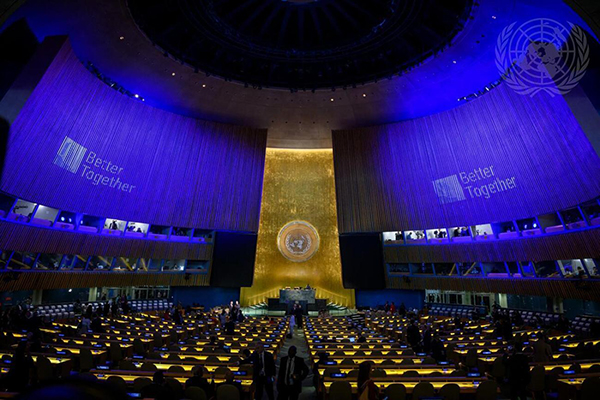
The 81st Session of the United Nations General Assembly opens in New York on 8 September, with substantive debates running from 22 to 26 September. Nigeria will join about 150 member states, bringing its own agenda that includes pushing for UN reforms, Africa’s permanent membership in the Security Council, climate change initiatives, positioning as a rare earth minerals investment hub, and its $200 billion energy transition plan. Vice President Kashim Shettima represented President Bola Tinubu at the 2025 UNGA, where these priorities were voiced.
This year’s attendance comes after public backlash over large delegations at events like COP28 in Dubai, where Nigeria sent 1,411 delegates but only 422 were government‑sponsored. In response, the President’s Chief of Staff, Femi Gbajabiamila, issued a directive limiting official travel entourages: 20 aides for the President on foreign trips, five for the First Lady, and four each for the Vice President, ministers, and agency heads. The directive was first breached when the President visited Imo State in 2023 with 25 officials, and Gbajabiamila warned the UNGA will test compliance.
Meanwhile, the UN faces a leadership transition as Secretary‑General António Guterres’ term ends in December, and the assembly will elect his successor amid rising geopolitical tensions involving the US, Israel, and Russia. With Nigeria grappling with a severe cost‑of‑living crisis, will the delegation stay lean this year, or will officials again sidestep the directive in pursuit of personal or political gain?