Nigeria pushes for equal biodiversity, climate finance priority at COP17
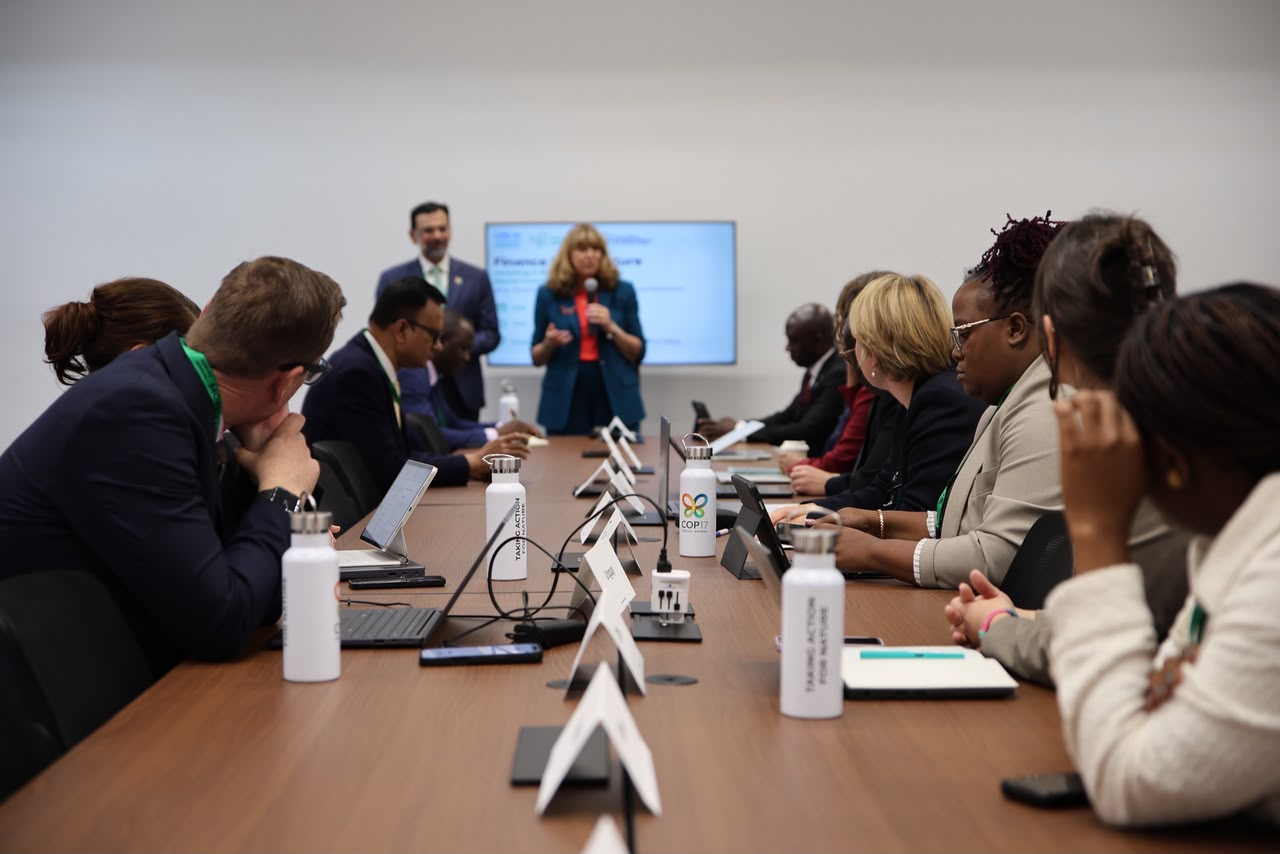
Nigeria demanded biodiversity financing receive the same political and financial priority as climate change at the CBD COP17 negotiations in Armenia this week. Sikeade Egbuwalo, Nigeria's focal point to the UN Convention on Biological Diversity, told delegates that "nature is not a subset of climate change" and biodiversity must not be subordinated to climate finance.
Nigeria's BIOFIN programme, launched late 2025 with UNDP, aims to close the country's biodiversity financing gap. At COP17, African negotiators are pushing for the Cali Fund—established at COP16—to deliver tangible benefits from commercial use of digital sequence information on genetic resources back to origin countries. The Kunming-Montreal framework calls for redirecting $500 billion annually in harmful subsidies by 2030.
Egbuwalo argued Finance Ministries must engage directly in biodiversity budgeting, not leave it solely to Environment Ministries. Without fiscal policy integration, she said, global biodiversity commitments remain unimplementable. Nigeria wants the technical dialogue to produce practical recommendations on biodiversity-responsive budgeting and dedicated financing instruments.
For Nigerians, this signals potential shifts in how federal budgets allocate conservation funding and whether harmful subsidies in agriculture, energy, or extractives get redirected. The outcome could affect National Park funding, community conservation programmes, and whether companies profiting from Nigerian genetic resources contribute locally.
Will Finance Ministry engagement translate to actual budget lines for biodiversity, or remain another international talking point?