Nigeria Pushes West African Alliance for High-Seas Marine Protection
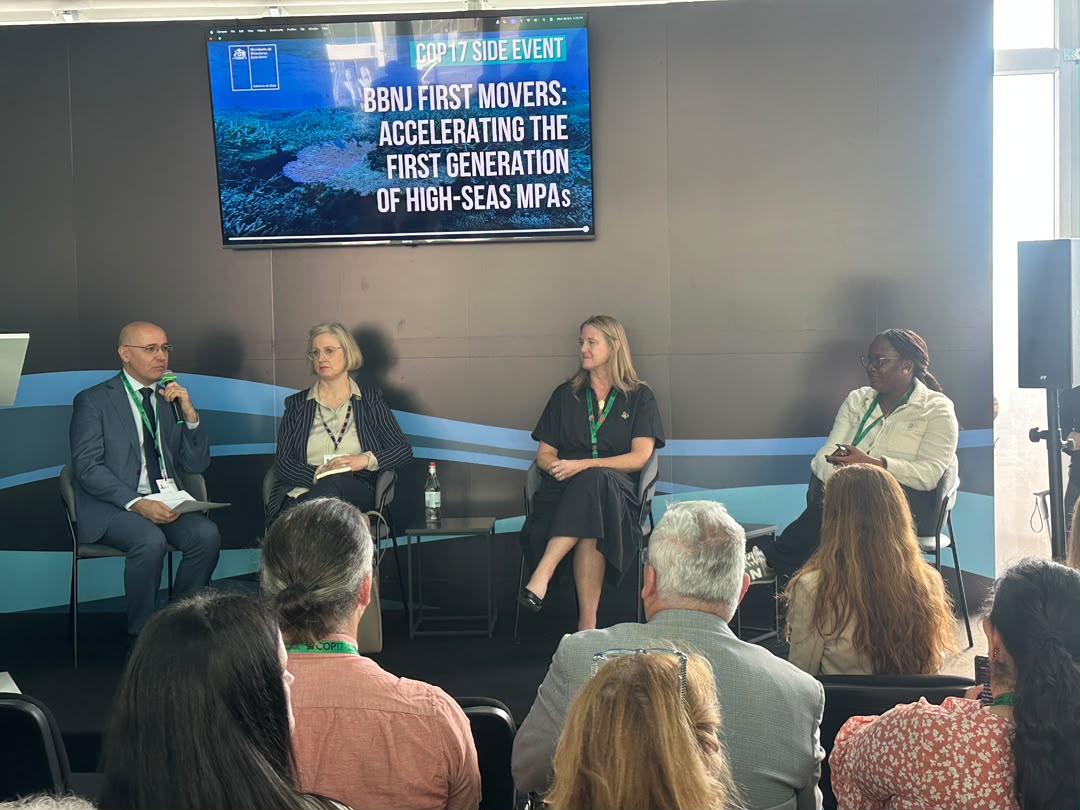
Nigeria outlined four key strategies for effective high-seas marine protected areas at a BBNJ First Movers meeting Monday—regional coordination, scientific cooperation, enforcement, and sustainable financing. Speaking for Nigeria, CBD focal point Sikeade Egbuwalo said the ocean doesn't recognise national boundaries, so conservation ambitions shouldn't either.
Nigeria is working with six other West African countries through the West Africa BBNJ Coordination Committee to propose a highly protected MPA in the Guinea–Canary Currents Convergence Zone. This zone supports biodiversity and fish populations connecting high seas with national waters. The initiative pools scientific expertise, shares marine data, and identifies areas where protection delivers maximum ecological benefit.
The stakes are immediate for millions across West Africa. Gulf of Guinea waters face piracy, illegal fishing, and climate pressures—historically an under-regulated "Wild West" beyond national EEZs. Egbuwalo stressed conservation must align with artisanal fishers' livelihoods, women in fish processing, and coastal food security. "Conservation and livelihoods must reinforce each other," she said.
With the BBNJ Agreement's first Conference of Parties set for New York January 2027 and IMPAC6 in Dakar March 2027, Nigeria urges moving from ambition to implementation. The 30×30 target—protecting 30% of land and sea by 2030—has less than four years left.
Will regional cooperation finally turn West Africa's dangerous seas into protected, productive waters for the communities that depend on them?