Nigeria's 2026 Budget Approved at ₦68.3 Trillion, Up ₦9 Trillion
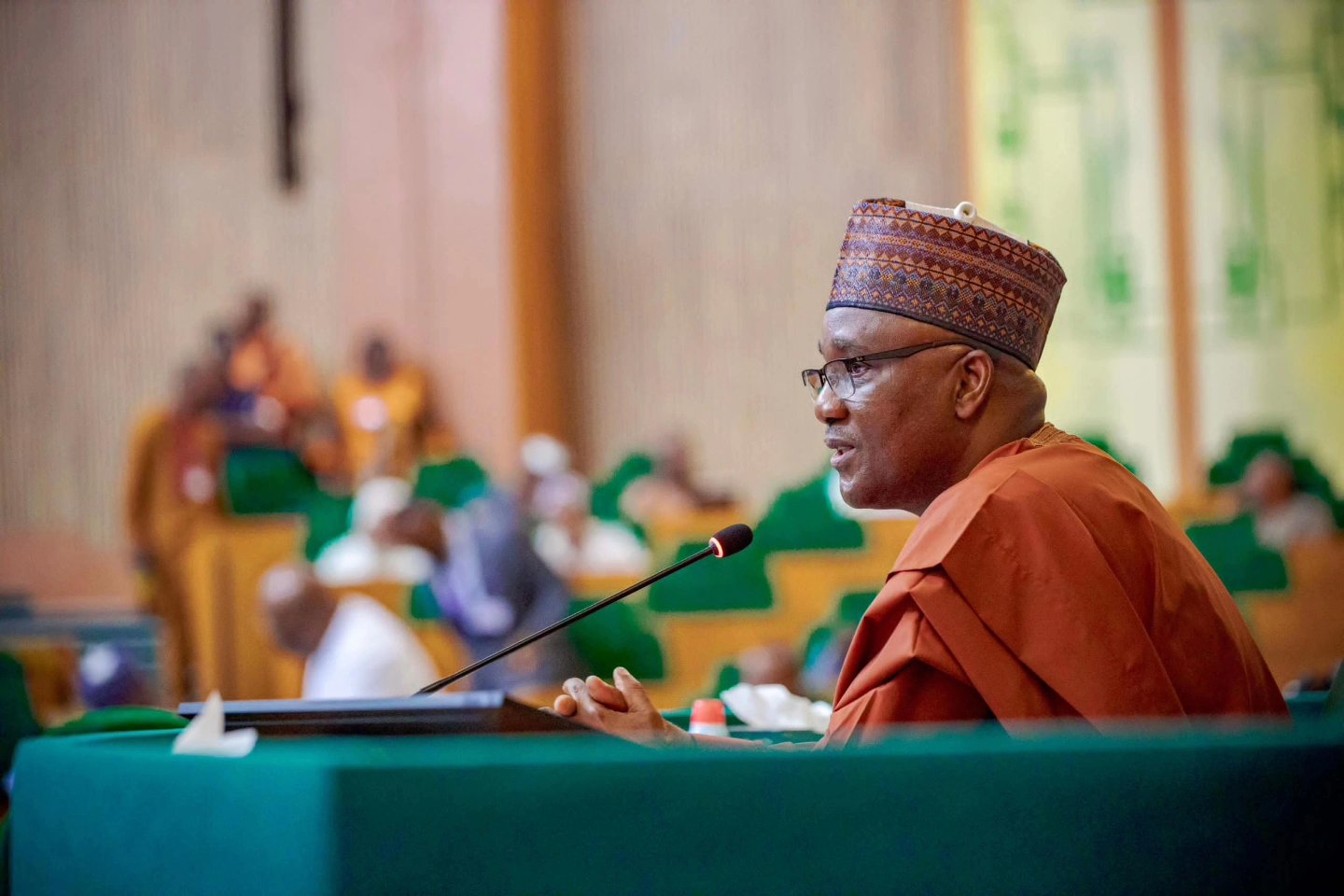
The House of Representatives passed the 2026 national budget totaling ₦68.30 trillion on Tuesday, increasing President Bola Tinubu's original ₦58.18 trillion proposal by about ₦9 trillion. The adjustment followed Tinubu's formal request, read by Speaker Abbas Tajudeen, to fund legacy capital projects and transport infrastructure while supporting macro-fiscal stability.
Approved after weeks of MDA budget defence sessions, the budget—tagged "Budget of Consolidation, Renewed Resilience, and Shared Prosperity"—prioritizes capital investment. Over ₦26 trillion targets infrastructure across transport, power, and public works. Security receives ₦5.4 trillion to tackle insurgency, while debt servicing consumes ₦15.9 trillion. Fiscal assumptions set oil at $64.85/barrel, production at 1.84 million barrels per day, and exchange rate at ₦1,400/$.
House Leader Julius Ihonvbere highlighted that capital expenditure now exceeds non-debt recurrent spending for the first time, calling it "a budget that prioritises development over consumption."
With ₦26 trillion for infrastructure, which transport or power projects in your state could create jobs or lower costs? And how will the ₦15.9 trillion debt servicing burden affect inflation and your household expenses this year?