Nigeria's 2027 election primaries marred by exclusion, high costs and INEC disputes
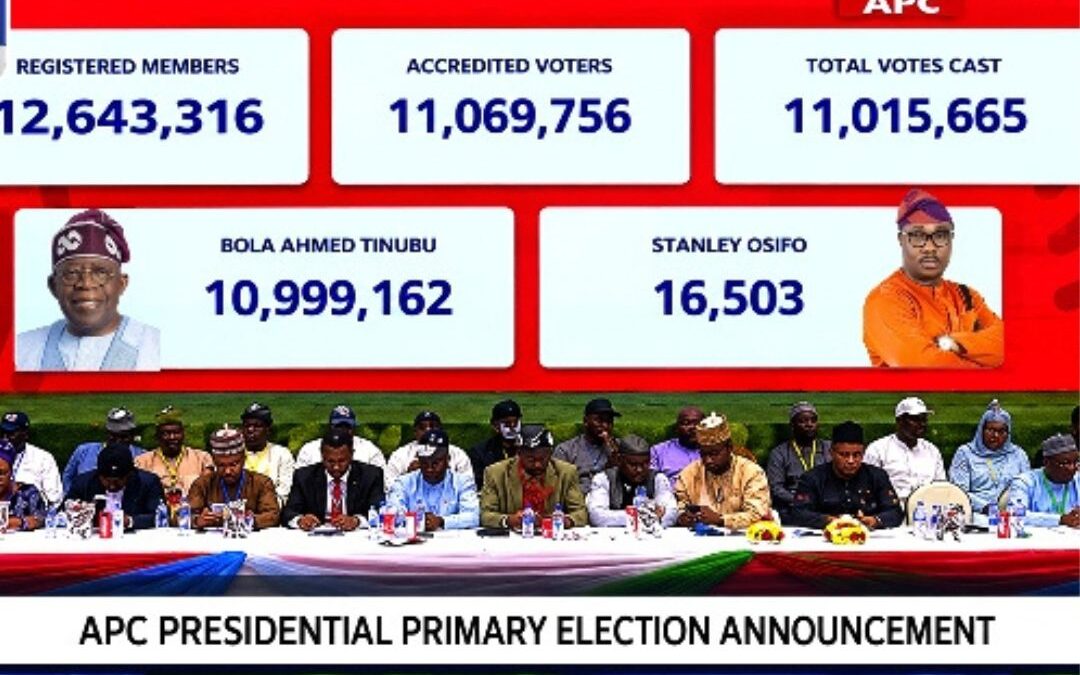
Party primaries for the 2027 general elections concluded with widespread issues as INEC's May 30 deadline passed. The process exemplified duplicity, falsifications and violence that have plagued Nigerian democracy, raising concerns about next year's polls credibility. In Rivers State, APC cleared only 33 of 98 assembly aspirants, excluding Senator Ipalibo Banigo without reason. Ekiti State's Ayo Arise alleged result alteration from wards at final collation. APC Chairman Nentawe Yilwatda claimed 10.9 million party members voted for Tinubu, but INEC's Chief Press Secretary Dayo Oketola disavowed this via digital disclaimer: 'this is certainly not from INEC.' Nomination forms remain prohibitively expensive: ₦50 million for governorship, ₦20 million for Senate, ₦10 million for House of Representatives and ₦6 million for state assembly seats—though NDC charged more rationally at ₦2.5m, ₦8m and ₦6m respectively. These costs, combined with governors forcing aspirants to step down for anointed choices in 8,809 wards, undermine direct primaries meant to reduce delegate bribery. With INEC having approached courts over Electoral Act Sections 32 and 71 judgments despite prior apex court rulings, voters must scrutinize whether 2027 candidates truly reflect popular choice or godfather imposition. Will you accept these costs as barrier to participation, or demand transparent, affordable primaries that let voters decide?