Nigeria's 2027 political permutations take shape as parties hold congresses
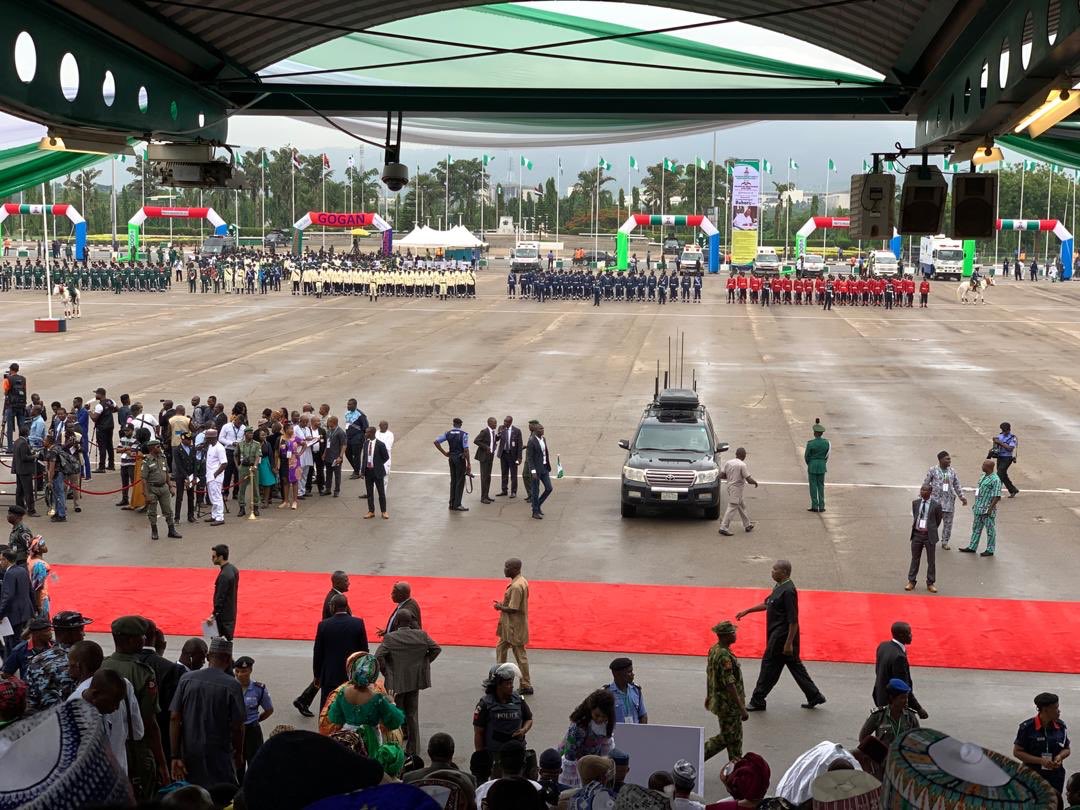
Political columnist Favour Christian analyses Nigeria’s pre-2027 political landscape following a series of party congresses in Abuja. The ruling party’s gathering at Eagle Square displayed unity but concealed growing North-South factional tensions. The PDP’s meeting showed a diminished party with eroding grassroots confidence, while a smaller but ambitious opposition bloc absorbed new coalitions despite internal disarray and INEC defiance. Labour Party struggles to connect with youth amid co-option whispers, and NNPP remains regionally confined to Kano. Several ministers faced a March 31 deadline to resign if seeking office—some complied, others tested presidential authority. Notably, Bauchi-based Minister Muhammad Ali Pate chose loyalty over ambition, remaining in his post despite a record of health reforms and social programs. The columnist argues that while inflation and insecurity persist, political actors are consumed by permutation calculations for 2027, offering no substantive alternatives to the current administration’s economic stewardship. The piece questions whether these manoeuvres will deliver genuine renewal or merely recycle familiar faces.
This matters because the alliances and defections forming now will determine Nigeria’s leadership and policy direction in 2027. The observed fragmentation suggests a fragmented opposition, while the ruling party’s internal fissures could reshape zoning debates and power-sharing arrangements. Pate’s choice highlights the tension between continuity and ambition in governance.
What does this mean for voters? With the opposition struggling to cohere and the ruling party managing internal rivalries, will the 2027 election present a clear choice on policy, or will regional and ethnic permutations dominate? How should citizens evaluate these early signals of political alignment?
SOURCE: https://www.premiumtimesng.com/entertainment/869258-2027-and-the-permutations-run-high.html