Nigeria's Health Sector Reforms in 2025: Training, Insurance, and New Initiatives
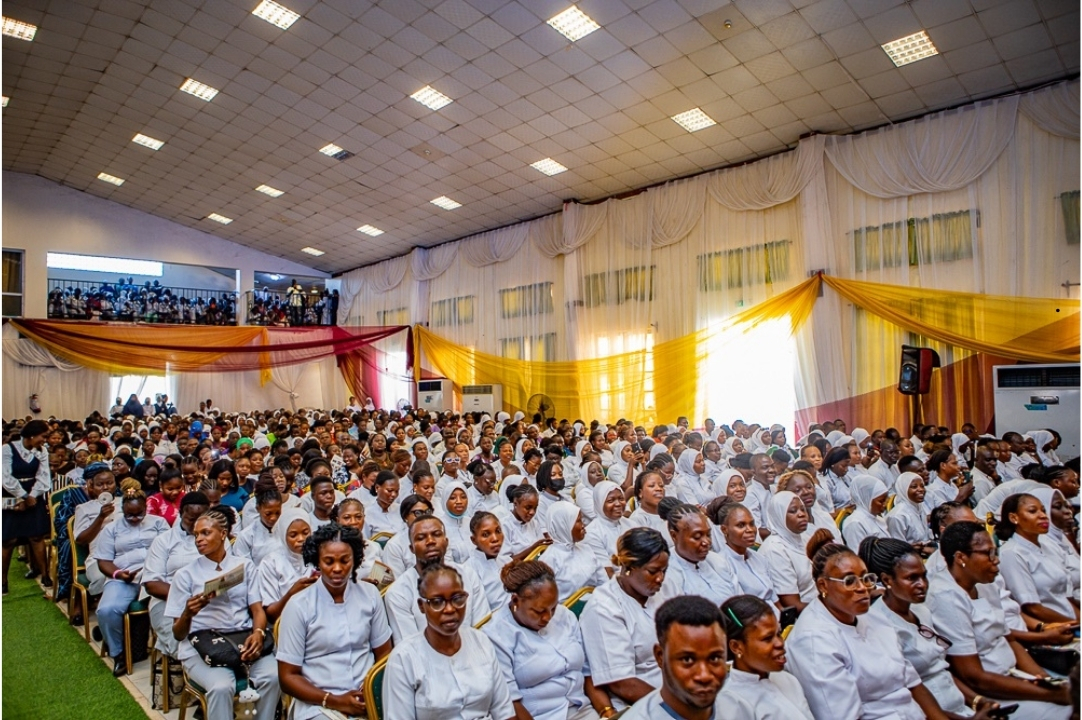
Nigeria's health sector made significant progress in 2025 with reforms including training 23,000 additional frontline health workers, bringing the total to 78,146 trained workers over two years. This represents 65% of the federal government's target of 120,000 health workers to strengthen primary healthcare. Financial protection expanded as health insurance coverage rose from 19.2 million to 21.7 million Nigerians (13% national coverage), with a presidential commitment for mandatory insurance. Capitation payments increased 93% and fee-for-service payments 378% to support sustainability. The Basic Health Care Provision Fund 2.0 enrolled 2.7 million Nigerians. Maternal health improved with 19,270 women receiving Comprehensive Emergency Obstetric and Newborn Care (CEmONC), 242 facilities empanelled, and 34,331 pregnant women supported through rural transport. Malaria vaccine rollout began in Bayelsa and Kebbi, while HIV treatment maintained 87% coverage and 95% viral suppression. Health security strengthened with a new National Action Plan integrating surveillance and emergency response, plus the MSDAT digital platform for monitoring. Local manufacturing advanced with a ₦6 billion tax waiver benefiting 47 pharmaceutical companies and new facilities like a Rapid Diagnostic Test factory producing 750,000 syringes daily. Counterfeit drug seizures totaled ₦1 trillion. Reforms focused on maternal/child health, immunisation, insurance expansion, workforce strengthening, supply chain improvements, and pandemic preparedness.