Nigeria's petrol hits ₦1,361/liter as Iran war disrupts global oil
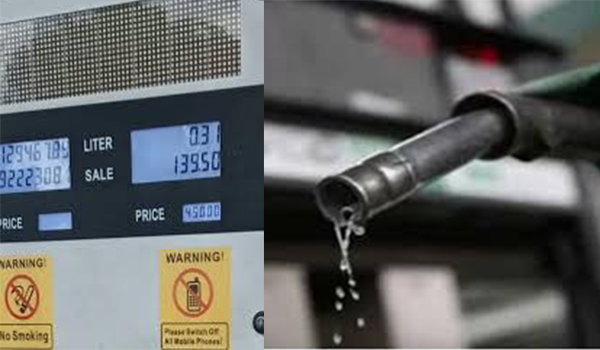
The US-Israel war on Iran has closed the Strait of Hormuz—critical for 20% of global oil supply—pushing crude above $100/barrel and triggering one of history's largest supply disruptions. Since the war began on February 28, Nigeria's petrol prices have surged over 25%, from about ₦870/liter to ₦1,361/liter and higher in many cities. Despite being Africa's largest oil producer, Nigeria now has higher fuel costs than Ethiopia ($0.842), Niger ($0.875), Egypt ($0.44), and other African importers. The Dangote Refinery, a key supplier, has raised gantry prices about 30% overall, worsening inflation and transport costs. Global efforts like the IEA's 400 million barrel reserve release and Gulf producers' 10 million barrel/day output cuts have failed to stabilise markets. The federal government is accelerating CNG vehicle conversions and prioritising crude for domestic refineries, but critics say these are long-term solutions with no immediate relief. Experts warn the conflict risks reigniting global inflation—down from 8.7% in 2022 to under 4% early 2026—as import-dependent Nigeria faces higher goods and services costs. While higher oil prices could boost government revenue (Brent >$100 vs budget benchmark $64.85), economists caution that without transparent institutions, windfalls may not benefit citizens, citing the 1991 Iraq war era where $12 billion in oil gains were poorly accounted for. Other nations are responding with subsidies, price caps, and strategic reserves, but Nigeria's options are constrained by past subsidy inefficiencies. The reality:ordinary Nigerians bear the shock while systemic reforms lag.