Nigeria's State Creation Stalls Despite Ongoing Agitation and Proposals
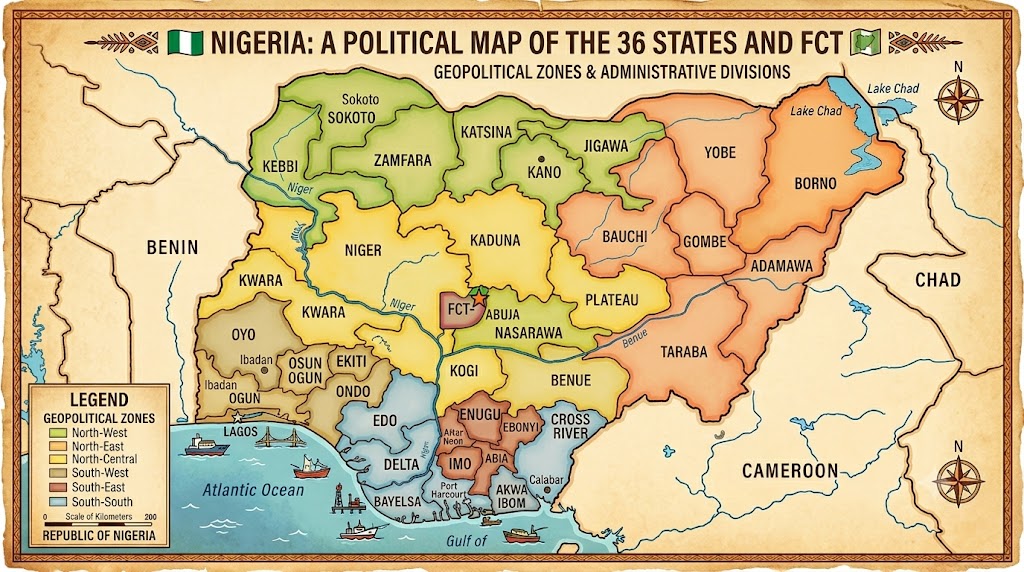
What happened: Nigeria's Midwest Region was created in 1963 after a plebiscite, the last civilian-created subnational unit. Since then, military rulers have created the remaining 32 states, bringing the total to 36. Recent data shows the 10th National Assembly received 56 state-creation requests across the six geopolitical zones, with proposals such as Okun, Okura and Confluence (Kogi), Benue Ala, Apa-Agba and Apa (Benue), Etiti, Orashi, Adada, Orlu and Aba (South-east), Ogoja, Anioma and Warri (South-south), Torumbe, Ibadan, Lagoon, Lagoon State, Ijebu and Oke Ogun/Ife-Ijesha (South-west), New Kaduna and Gurara (Kaduna), Tiga and Ari (Kano), Kainji (Kebbi), Amana (Adamawa), Katagum (Bauchi), Savannah (Borno) and Muri (Taraba). None have met the constitutional threshold.
Why it matters: Despite ongoing agitation - especially in the South-east for a sixth state to match other zones - the process is blocked by stringent constitutional requirements, including a two-thirds referendum approval and multiple legislative approvals. Economic viability is also a concern: 28 states rely on federal allocations for at least 55% of revenue, and 21 depend on them for 70% or more, raising doubts about the sustainability of additional states.
What you should know: The Joint Committee on Constitutional Review has recommended creating one additional southern state to balance representation, but any proposal must still clear the referendum and legislative hurdles. As the 10th Assembly nears its end, the prospect of new states looks slim. Will citizens push for constitutional reform to make state creation more feasible, or focus on strengthening the viability of existing states?