Nigeria's systemic flaws render electoral changes ineffective without foundational repair
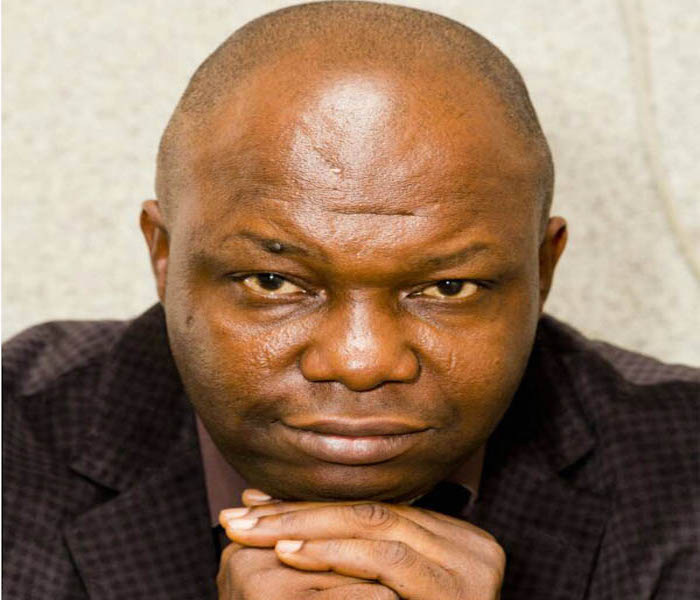
Festus Adedayo's Premium Times column argues Nigeria's systemic failures stem from a broken foundational structure, not surface-level issues. He cites historical criticisms: Colin Powell's 1995 New Yorker remark calling Nigerians "marvelous scammers" and David Cameron's 2016 remark to Queen Elizabeth II calling Nigeria and Afghanistan "fantastically corrupt." Adedayo references Transparency International's 2015 CPI ranking Nigeria 136th globally in corruption.
He uses Yoruba mythology of the Agẹmọ chameleon (sacred servant of Ọlọrun) as a metaphor: Nigerians have "stoned" this symbol through corruption, causing national "retardation." Current evidence includes Deputy Speaker Benjamin Kalu allocating ₦780 million for a church while ₦30 billion funds palaces/places of worship amid widespread poverty. Adedayo also discusses Dennis Amachree's book claiming Abacha died during an intimate encounter at Aso Rock in 1998, countered by Tony Eluemunor in Vanguard. He cites Professor Femi Otubanjo's "destroyed foundation" theory: bad leaders, endemic corruption, election rigging, and a corrupt National Assembly form a flawed substructure where even good policies fail. Adedayo concludes Nigeria's foundation was never built to succeed, making electoral cycles futile without foundational repair.
Why this matters: This analysis frames Nigeria's persistent challenges as systemic rather than leadership-specific, explaining why anti-corruption campaigns and electoral changes often fail to produce lasting improvement. It affects all Nigerians living under systems where funds for public goods are diverted to elite projects, and where accountability mechanisms are compromised.
The piece draws on multiple theories: colonial blueprint theory (British didn't design Nigeria to succeed), Two Publics theory (civic vs primordial public morality), resource curse theory (oil wealth fuels looting networks), and leadership failure theories (Achebe's "trouble with Nigeria" is leadership failure). Adedayo argues these compound to create a system where criminals rule and moral leadership is absent.
Without addressing Nigeria's foundational flaws in governance, morality, and social structure, electoral exercises like the 2027 polls will merely perpetuate cycles of disappointment. What foundational reforms do you believe Nigeria needs to break this cycle of systemic failure?