Opposition leader Péter Magyar defeats Viktor Orbán in Hungary election, ending 16-year rule
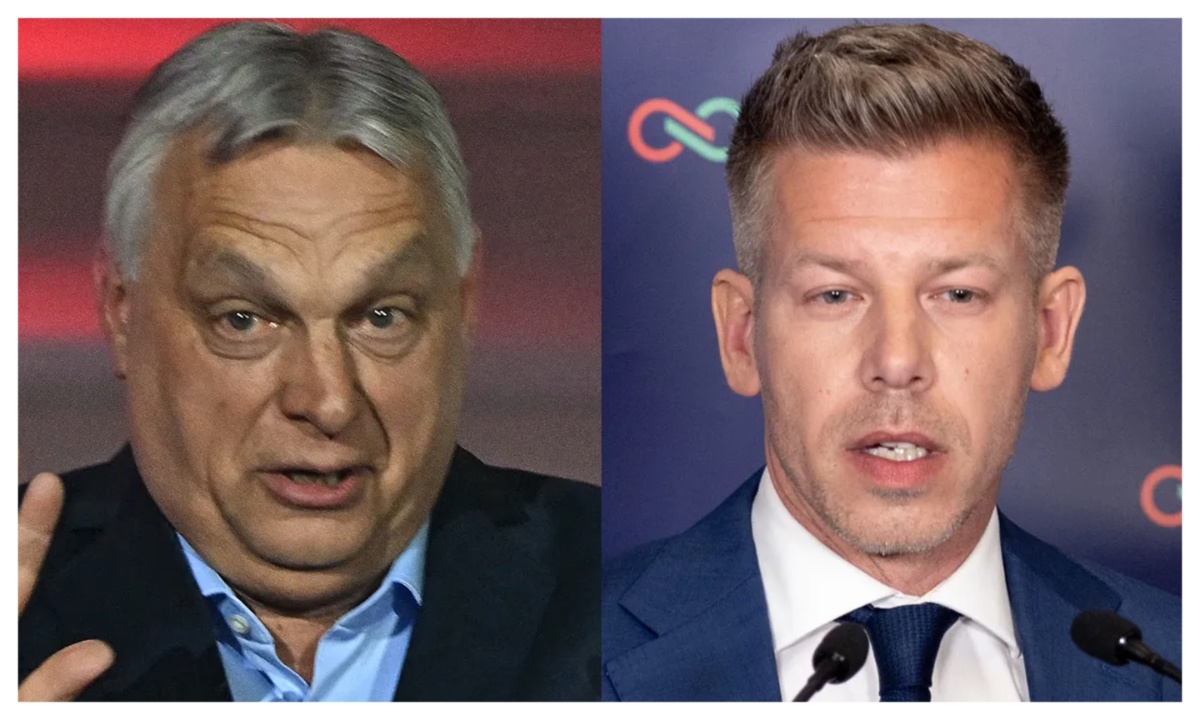
Péter Magyar, 45-year-old leader of Hungary's Tisza Party, has defeated long-serving Prime Minister Viktor Orbán in parliamentary elections held April 12, 2026, according to projections from Hungary's National Election Office. Orbán conceded defeat after 16 continuous years in power (plus previous terms from 1998-2002), acknowledging the opposition's projected two-thirds majority in the 199-seat parliament.
This ends Orbán's era marked by close ties with Donald Trump, Vladimir Putin, and Benjamin Netanyahu, despite their endorsements. The Tisza Party's projected supermajority could reverse Orbán's policies on migration, judiciary reforms, and EU relations. European Commission President Ursula von der Leyen welcomed the result, stating Hungary has 'chosen Europe' and strengthening the Union.
For Nigerians watching global politics, this signals a potential shift in EU-Hungary dynamics that could affect international cooperation, trade policies, and regional stability in Eastern Europe. The outcome demonstrates that even long-entrenched leaders with powerful foreign backers can be defeated through democratic processes.
What does this mean for Hungary's future direction within the EU, and how might changing Hungarian policies impact global partnerships that Nigeria engages with?