Political Parties Hold Primaries Despite Legal Challenge to INEC Timetable
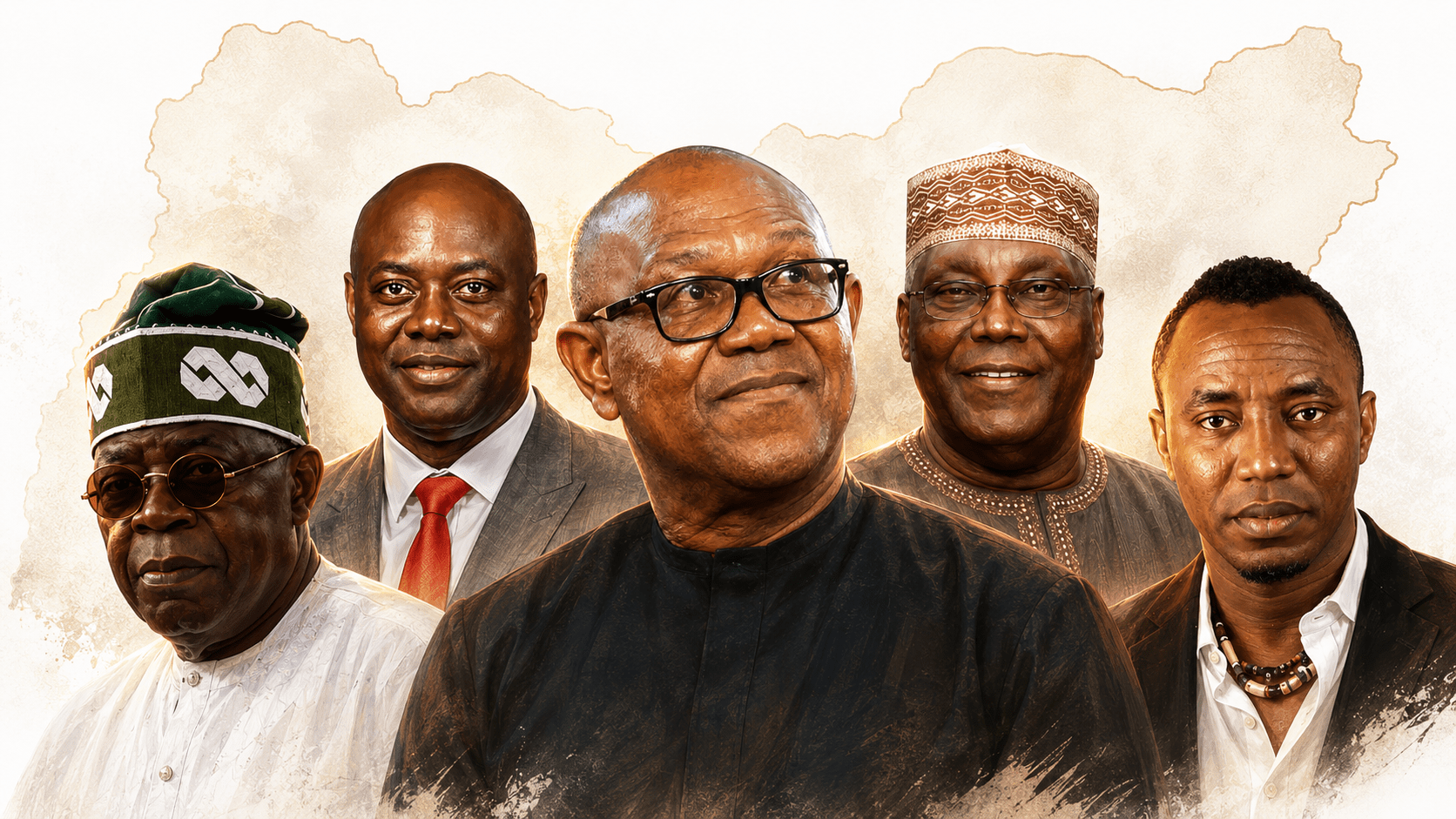
Political parties have concluded presidential primaries ahead of the 30 May deadline, despite a Federal High Court ruling that nullified key portions of INEC's election timetable. Justice Mohammed Umar ruled that INEC lacks powers to prescribe timelines for internal party nomination processes, including the 30 May deadline for primaries. However, INEC has appealed the decision and filed for a stay of execution. While the appeal is pending, parties moved forward with candidate selection through various methods—direct primaries and consensus. Key candidates include President Bola Tinubu (APC), former VP Atiku Abubakar (ADC), Adewole Adebayo (SDP), Omoyele Sowore (AAC), and Donald Duke (PRP). The PDP faces internal crisis with two factions presenting different candidates—former senator Sandy Onor aligned with Nyesom Wike's faction, and former President Goodluck Jonathan from the Kabiru Turaki faction (not recognized by INEC). This legal uncertainty creates complications for the 2027 election schedule, with campaign dates currently set for 19 August (presidential/National Assembly) and 9 September (governorship/state assembly). With INEC's authority to set election timelines legally challenged, should political parties have complete autonomy in their internal processes, or does the electoral commission need regulatory power to maintain coordination?