Premium Times: 2020 US midterms critical for Africa policy—AGOA, PEPFAR, Nigeria strikes at stake
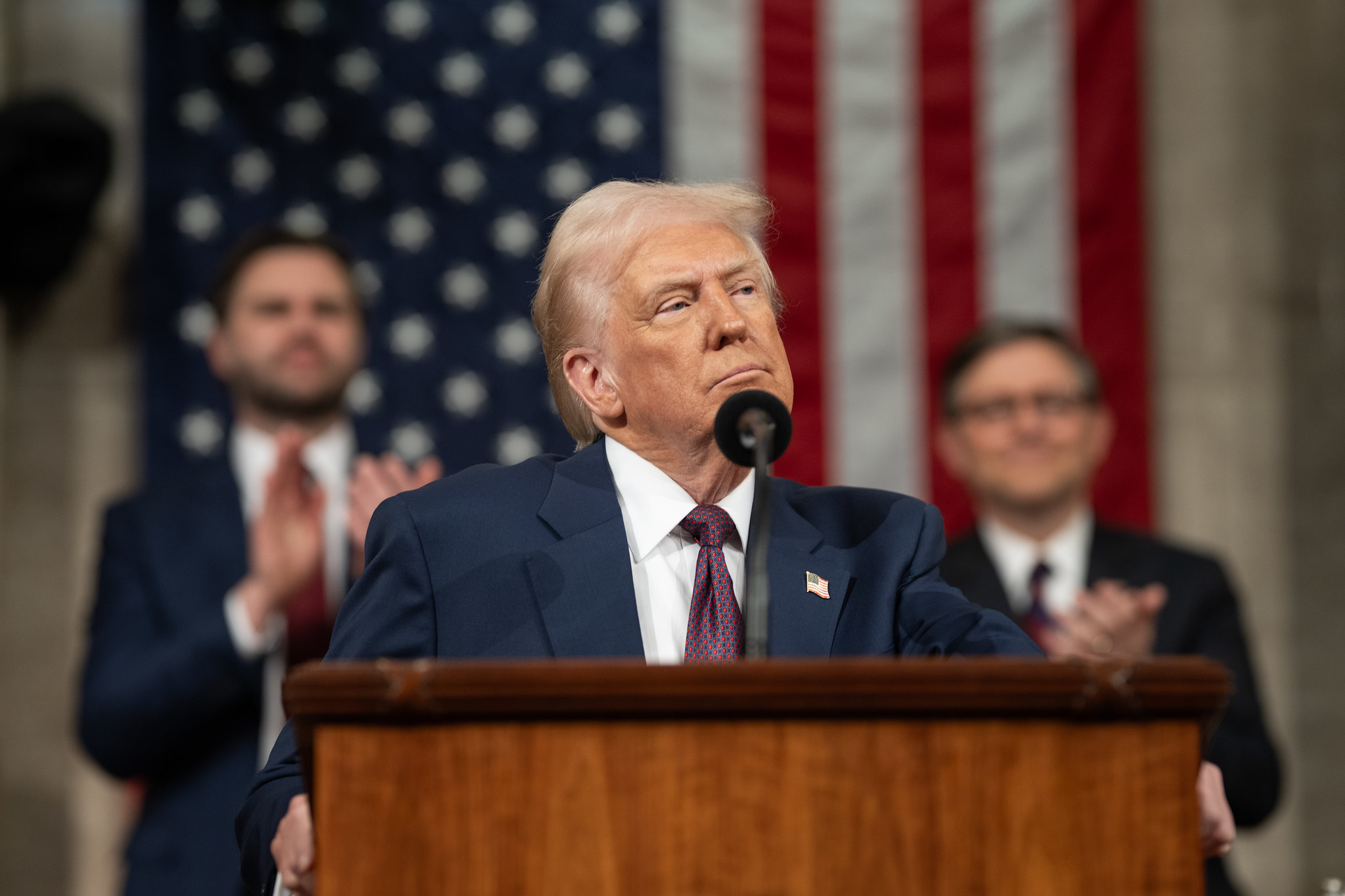
Premium Times argued in a 2020 editorial that the November 3 US midterm elections would determine whether Congress could check Trump administration policies harming Africa. The editorial highlighted three flashpoints: AGOA trade preferences renewed only through December 2020 after House Republicans cut a three-year extension to one year; PEPFAR HIV/AIDS funding for South Africa tied to an executive order accusing the country of anti-white discrimination; and the first-ever US military strikes in Nigeria (northwest, December 2019) authorized under the 2001 AUMF counterterrorism law.
The stakes were concrete. Thirty-six of 54 African countries faced US travel bans or visa bonds, hurting students, professionals, and remittances. Burundi had just become the 15th African nation pressured into accepting deportees via tariff and aid threats—deals made secretly, eroding rule of law. A Democratic House majority, the editorial contended, would restore congressional scrutiny over war powers, trade, and aid decisions; a Republican majority aligned with the White House would likely convert AGOA into a "reciprocity" bargaining chip and enable further unilateral action.
For Nigeria specifically, the 2001 AUMF had already been stretched to justify strikes without congressional debate. The editorial warned that Trump's "whimsical" foreign policy—tariffs strengthening China, cozying to dictators, gutting WHO funding—had weakened the global infrastructure Africa depends on. Congress was the only institutional backstop.
With AGOA expiring yearly, PEPFAR under political pressure, and AFRICOM operations expanding quietly, the midterm outcome would shape whether African agency was respected or overridden. The lesson: US legislative elections are African policy events. When Congress defers, executives decide—and the terms rarely favor the continent.