Presidency says local govts must fix poverty, backs autonomy and cleared arrears
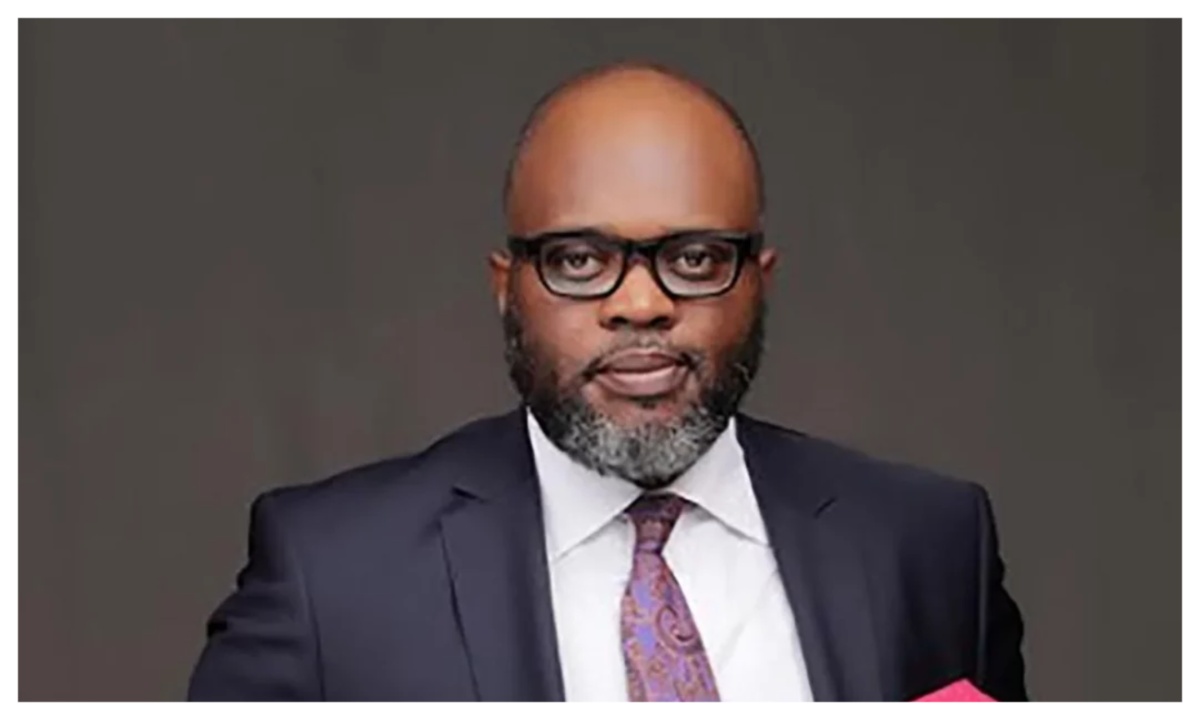
Earlier today, Tofe Fasua, Special Adviser to President Bola Tinubu on Economic Affairs (Office of the Vice President), told Channels Television's Politics Today that fixing poverty in Nigeria is the responsibility of local governments because they are closest to the people. He said President Tinubu is advocating for local government autonomy and has already made states financially stronger, noting that the days of civil servants being owed 18, 12 or six months of salaries are gone and pensioners are now receiving their money regularly. Fasua recalled that in 1999 he often saw people going to local government chairmen in Lagos for daily assistance.
Why does this matter? If local governments truly receive the funds and autonomy promised, they could pay salaries and pensions on time, deliver basic services like water, health centres and roads, and directly tackle poverty in neighbourhoods. For civil servants, pensioners and ordinary residents, this could mean more reliable income and better local infrastructure. It also shifts accountability closer to the people, making local elections and community engagement more consequential for everyday life.
What should you know or do? Keep an eye on your local government's budget releases and salary/pension payments; attend LGA meetings or engage with your chairman to demand transparency; and consider whether the promised autonomy translates into real improvements in your area. Will stronger, better-funded local governments actually reduce poverty in your neighbourhood, or will more oversight be needed to ensure the money reaches those who need it?