Retired judges sue states over unpaid pensions spanning 16 years
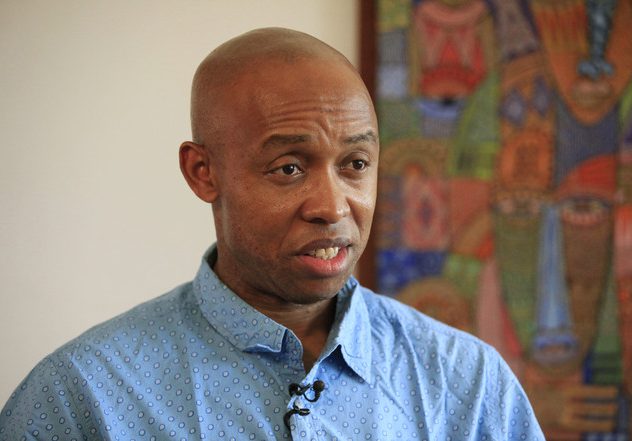
Retired judges across Nigeria are increasingly suing state governments over unpaid pensions and gratuities. In Lagos, Babajide Candide-Johnson, a former High Court judge, sued in March 2022 after serving 20 years without blemish. At least five other Lagos judges filed similar suits that year. The state initially argued responsibility lay with its Judicial Service Commission before agreeing to an amicable settlement.
The crisis extends nationwide. In Abia State, 22 retired judges sued in 2021 over 15 years of unpaid benefits. Five judges died in penury while waiting for resolution. The case stalled for three years until a new governor took office in May 2023 and negotiated a settlement to clear 16 years of liabilities.
Other affected states include Ondo (sued April 2016), Imo, Ogun, Oyo, and Kogi. Eight Kogi judges recently issued notice of their intent to sue, including former Chief Judge John Bayo Olowosegun.
The National Judicial Council (NJC) has been criticized as an "indifferent and perfunctory advocate" for retired judges. In January 2023, the Council described the situation as "worrisome" but failed to disclose which states were involved or the total debt amount. The NJC simply directed state Chief Judges to report on compliance without providing details of what had been done to quantify the liabilities.
A June 2023 constitutional amendment transferred administration of judicial pensions to the NJC, but this only applies to new retirees and does not address pre-June 2023 obligations. In March 2024, the NJC warned that fraudsters were calling retired judges demanding money to "fast-track" payments, though the Council denied ever soliciting such payments.
The crisis creates perverse incentives that may compromise judicial integrity. As one retired judge noted, serving officers witnessing their colleagues' destitution are motivated to "take their own destinies into their own hands" while still in office. In Taraba State, many judges who retired before 2023 died waiting for pensions.
The distinction between pre- and post-June 2023 retirees is artificial. The NJC must work with federal and state governments to resolve all outstanding obligations. Without action, the promise of judicial independence risks becoming a constitutional hoax.
What should happen to judges who served with distinction but were abandoned in retirement? How can citizens trust courts when the judges themselves cannot trust the system to pay what is owed?