Ronaldo's brace makes him second-oldest World Cup scorer at 41
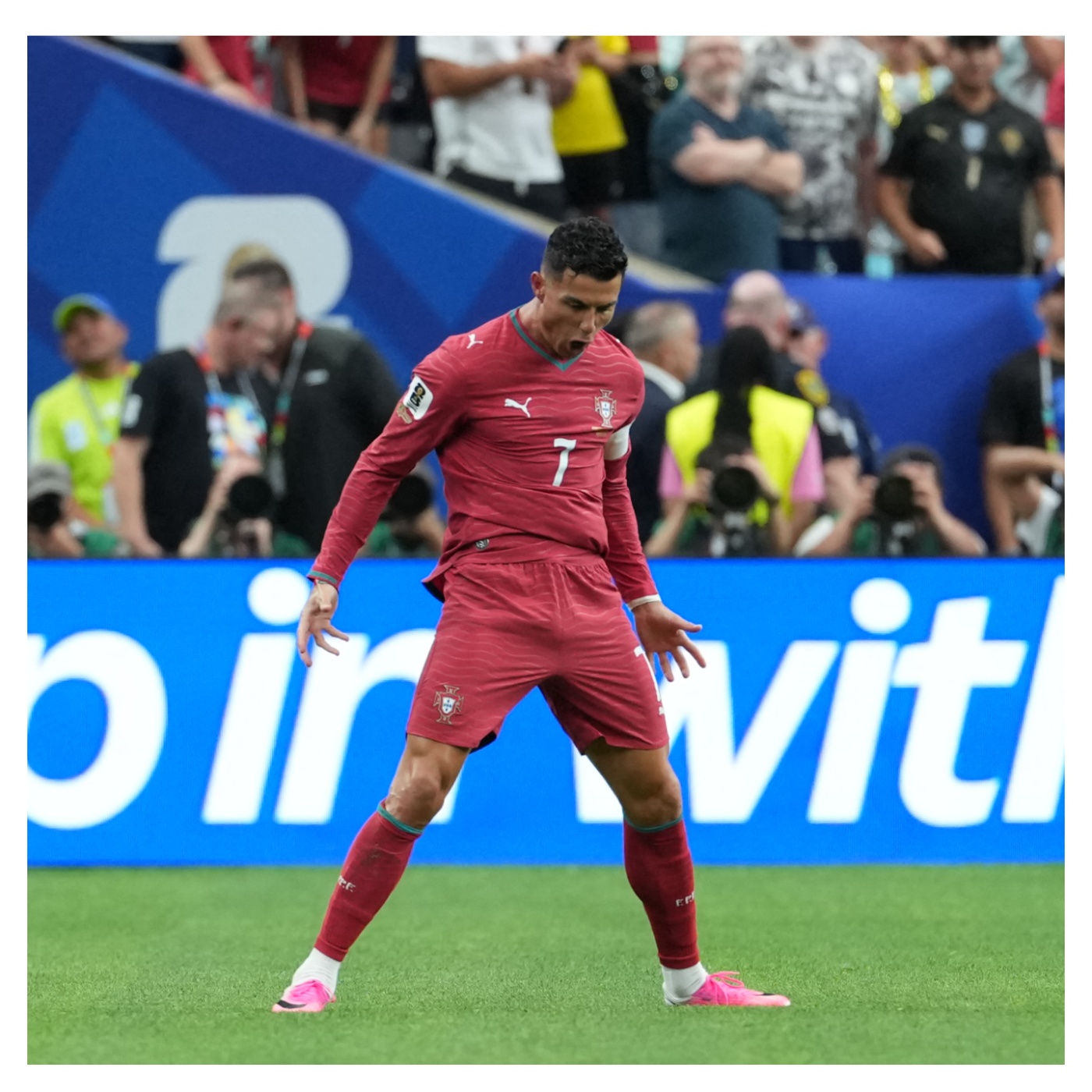
On Tuesday, June 24, 2026, Cristiano Ronaldo scored a brace as Portugal defeated Uzbekistan 5-0 in a FIFA World Cup match. The two goals made Ronaldo the second-oldest player to score in World Cup history at 41 years and 138 days, trailing only Cameroon's Roger Milla, who was 42 years and 39 days when he scored in 1994. The other oldest scorers are Portugal's Pepe (39 years, 283 days in 2022), Argentina's Lionel Messi (38 years, 363 days in a 2026 match versus Austria), and Sweden's Gunnar Gren (37 years, 236 days in 1928).
The feat highlights the remarkable longevity of elite footballers, showing that top-level performance can extend into the early 40s with proper fitness and care. For Nigerian fans who follow global stars, Ronaldo's achievement—alongside Messi's similar milestone in the same tournament—offers a benchmark for athletic longevity. It also underscores the growing competitiveness of leagues outside Europe, as Ronaldo now plays for Al-Nassr in Saudi Arabia, a destination increasingly attractive to African players.
What should Nigerian athletes and fans take from this? Consider how disciplined training, nutrition, and recovery can prolong a career, and explore opportunities in emerging football markets like the Gulf. With both Ronaldo and Messi among the oldest scorers in this World Cup, the tournament reflects a shift toward longer elite careers. How might Nigerian players adapt their training and career planning to aim for similar longevity on the world stage?