Russia condemns Japan’s new sanctions on its shipping, vows countermeasures
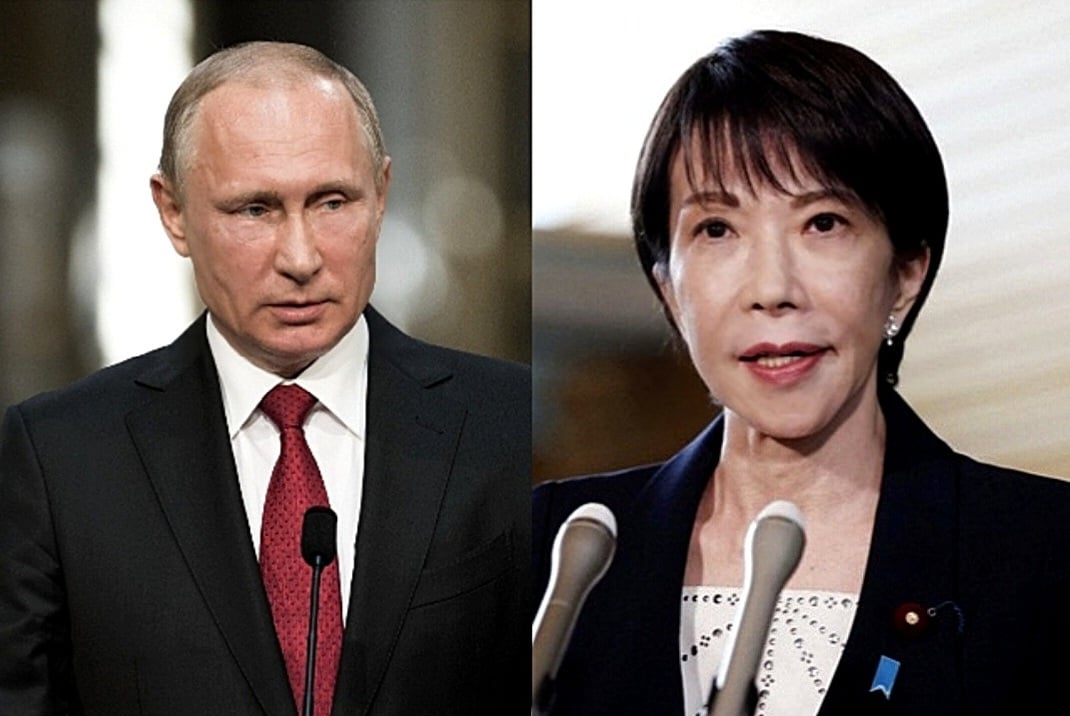
Japan announced on October 2 its 27th package of sanctions against Russia over the war in Ukraine, targeting 33 Russian entities, nine individuals and several foreign‑based companies. The measures, for the first time, ban Japanese firms from providing key services to designated Russian vessels—including maintenance, chartering, crew employment, sales, purchases, repairs, insurance, financing and leasing. The goal is to curb Russia’s ability to evade Western oil price caps when exporting crude.
In response, the Russian Foreign Ministry called Japan’s move a “clumsy attempt” to justify hostile actions and accused Tokyo of reckless solidarity with Euro‑Atlantic partners who are obsessed with defeating Russia. Spokeswoman Maria Zakharova said the sanctions show Japan’s foreign policy lacks independence and warned that Moscow will take proportionate countermeasures aimed at Japan’s areas of interest.
For Nigerians, the development is part of the broader Western‑led pressure on Russia that can influence global oil markets and shipping costs. While the article does not detail direct effects on Nigeria, changes in oil price caps and vessel services could affect the price of crude, which remains a major source of government revenue and foreign exchange.
Will you watch how such international sanctions shape oil price trends, or consider their potential impact on shipping costs for Nigerian exports?