Rwanda-DRC refugee deal ignores reality as 1.25M Congolese displaced
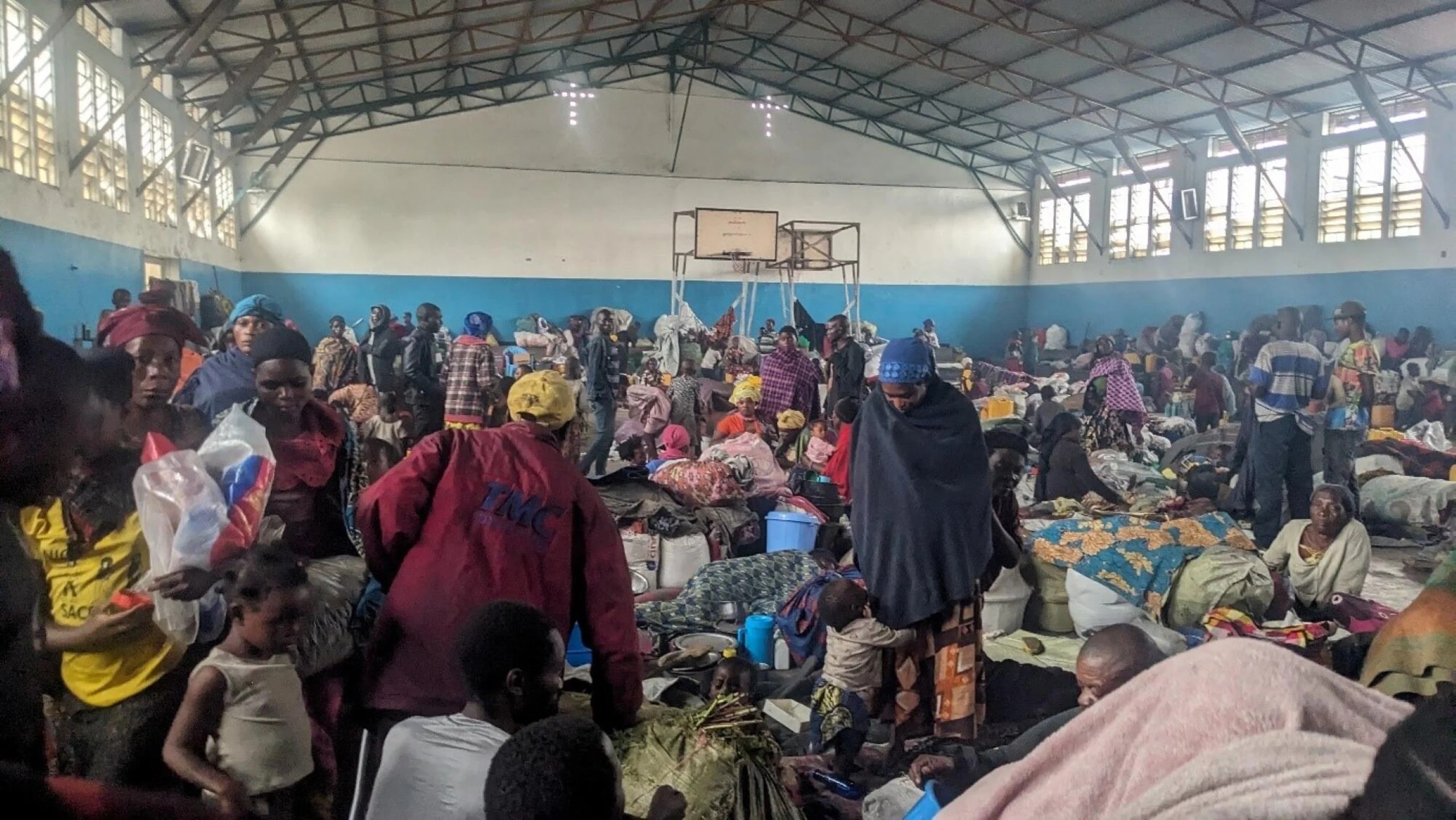
Rwanda and the DRC recommitted in 2026 to voluntary refugee returns under the 2025 Washington accords and Doha Process. But the numbers tell a different story: UNHCR counted 1.25 million Congolese refugees and asylum seekers in June 2026, 80% hosted in neighbouring countries. Another 245,000 arrived between January 2025 and April 2026 after M23 captured Goma and Bukavu.
Host countries are buckling. Burundi took 142,000 new arrivals—its reception system overwhelmed. Uganda hosts 53% of Congolese refugees (236,000 since 2022 plus 139,500 South Sudanese). Funding has collapsed: UNHCR got only 20% of the $35 million needed for Burundi; Uganda's refugee health response secured just 6%. When the Burundi-DRC border reopened in February 2026 after M23 retreated from Uvira, 33,000 refugees spontaneously returned to South Kivu despite a UN non-return advisory for North and South Kivu.
M23 complicates everything. It encourages returns to areas it holds but dismantled IDP camps around Goma, forcibly transferred Rwandan refugees, and recruits from camps in Rwanda and Uganda. Citizenship disputes over Congolese Tutsi deepen community tensions. Burundi-Rwanda land borders—closed 2015-2023 and again since 2024—halted repatriation. Burundi now bars anyone from M23 areas; Uganda has tightened cross-border movement over Ebola.
Researchers at the Institute for Security Studies argue three things must change: peace efforts must protect refugee rights with independent monitoring; regional solutions must involve refugees, not just the states that drove them out; and donors must sustain funding so return is voluntary, not desperation.
Nigeria hosts over 3 million IDPs and refugees from Lake Chad and Sahel crises. What happens when regional agreements ignore the reality on the ground—and funding runs out before protection is secured?