Senate Set to Vote on State Police Bill and Six Key Constitutional Amendments
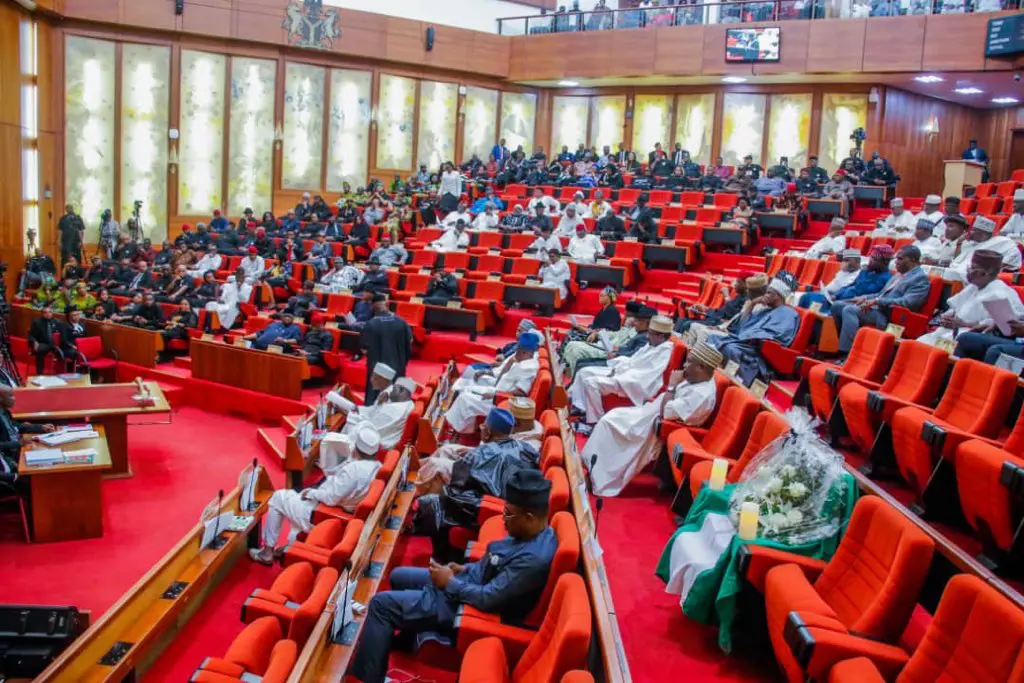
The Nigerian Senate is scheduled to vote on June 24, 2026 on the controversial State Police Establishment Bill alongside six other constitutional amendments. The package includes granting the Armed Forces of the Federation a constitutional first‑line charge with direct access to the Consolidated Revenue Fund, granting traditional rulers constitutional recognition and financial autonomy via State Councils of Traditional Rulers, allowing independent candidacy for governorship, legislative and local government elections, creating a constitutionally‑backed Electoral Offences Commission to investigate and prosecute election crimes, mandating courts to automatically commute death sentences on pregnant women to life imprisonment when pregnancy is proven, banning the public parade of criminal suspects by law enforcement as inhuman and degrading treatment, strengthening local government autonomy, expanding children’s rights, boosting electoral‑institution independence, devolving more powers to states, enhancing fiscal accountability and giving greater constitutional backing to key democratic institutions. A separate note mentions the DSS docking a 67‑year‑old farmer over alleged unlawful firearms possession and setting a trial date.
These changes could reshape security, governance and electoral politics across Nigeria, affecting everything from how police operate at state level to how elections are conducted and how traditional institutions are funded. Voters should monitor the Senate vote outcome, understand how state policing might affect local security, and consider the implications for electoral participation and traditional institution funding.
Will you support or oppose the move toward state police, and how might independent candidacy change your voting options in upcoming elections?