Tinubu's N3.3 trillion power debt plan faces expert criticism
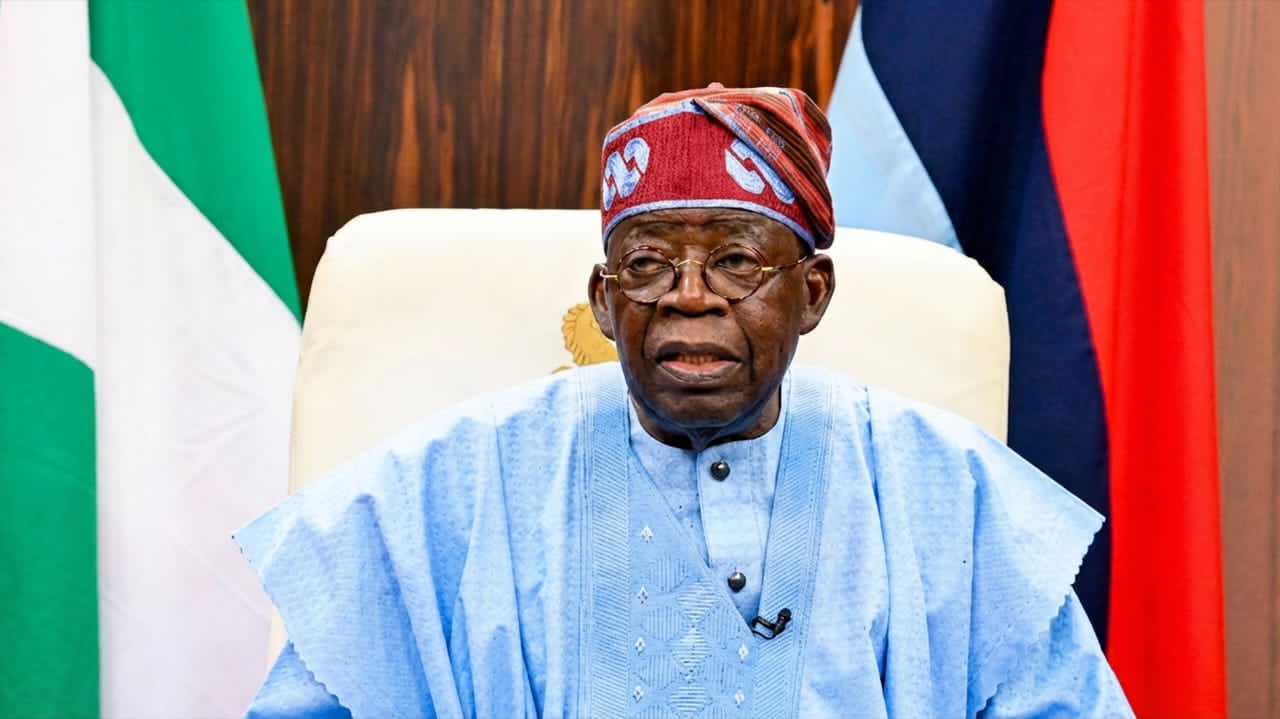
President Bola Tinubu approved N3.3 trillion to settle Nigeria's decade-old legacy power sector debt owed to generating companies, spokesperson Bayo Onanuga announced on April 5, 2026. This comes amid confusion from a separate N501 billion power sector debt resettlement bond. However, the move faces backlash from industry stakeholders and consumer groups who call it insufficient and poorly structured. Only 3,345 megawatts were allocated to distribution companies as of April 3, 2026, while many Nigerians endured power outages during Easter celebrations.
The payment involves massive public funds but experts say it won't fix systemic issues like inadequate generation, distribution losses, and billing problems. With power supply remaining erratic, households and businesses continue to suffer economic losses and reduced quality of life.
Joy Ogaji of the Association of Generation Companies questioned the N3.3 trillion figure and said GenCos weren't consulted. Consumer advocate Kunle Olubiyo warned the data lacks scientific standards and is vulnerable to corruption. Retired PHCN staff Ewetumo alleged the presidency is "playing games," estimating total sector debt at N12 trillion (N6 trillion to GenCos) and noting no clear disbursement plan despite repeated announcements since 2024.
Given the disputed debt figures, lack of implementation framework, and unchanged power supply, should Nigerians pressure for transparent sector audit before any payment, or accept the plan as necessary step? What personal actions can mitigate electricity unreliability?