Trump leaves door open for Iran talks despite declaring MOU over
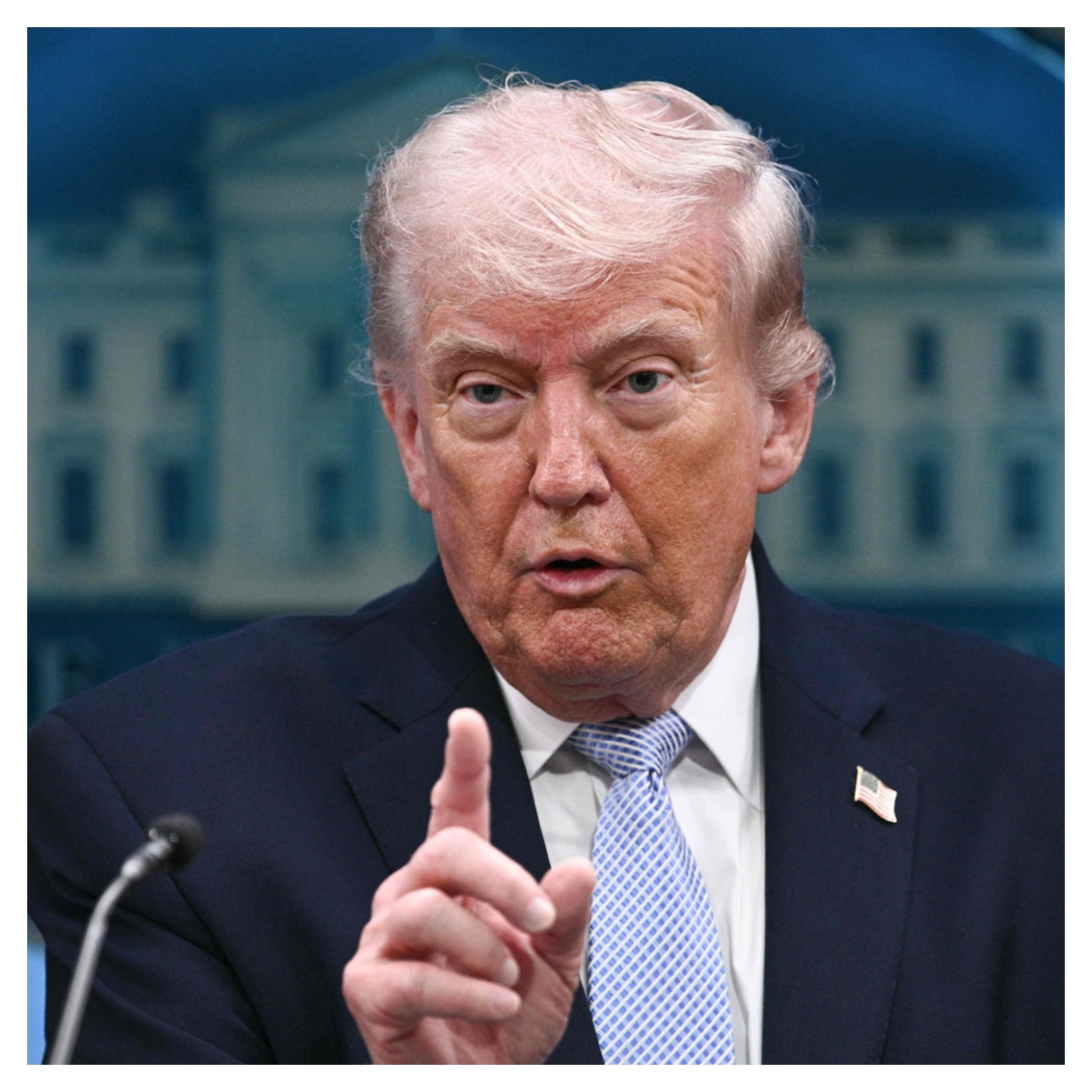
On July 8, 2026, US President Donald Trump said negotiations with Iran could continue despite declaring the preliminary memorandum of understanding (MOU) between Washington and Tehran effectively over after Iran’s attacks on commercial vessels in the Strait of Hormuz. Trump said he would let negotiators led by Vice‑President JD Vance, Steve Witkoff and Jared Kushner keep talking, though he expressed little confidence in the process and accused the Iranian government of killing tens of thousands of anti‑regime protesters.
For Nigerians, the statement matters because any escalation or de‑escalation in US‑Iran tensions directly influences global oil prices. Nigeria’s budget and foreign‑exchange earnings rely heavily on crude exports; a spike in oil prices can boost government revenue, while a prolonged standoff that disrupts Gulf shipping can raise freight costs and affect imported goods. Moreover, heightened tensions can affect remittance flows from the large Nigerian diaspora in the Gulf states.
Readers should watch for changes in Brent crude prices, monitor official statements from the Nigerian National Petroleum Corporation (NNPC) on production adjustments, and consider how potential fuel price shifts might affect household budgets and business costs.