Trump maintains Iran war end timeline as oil prices surge
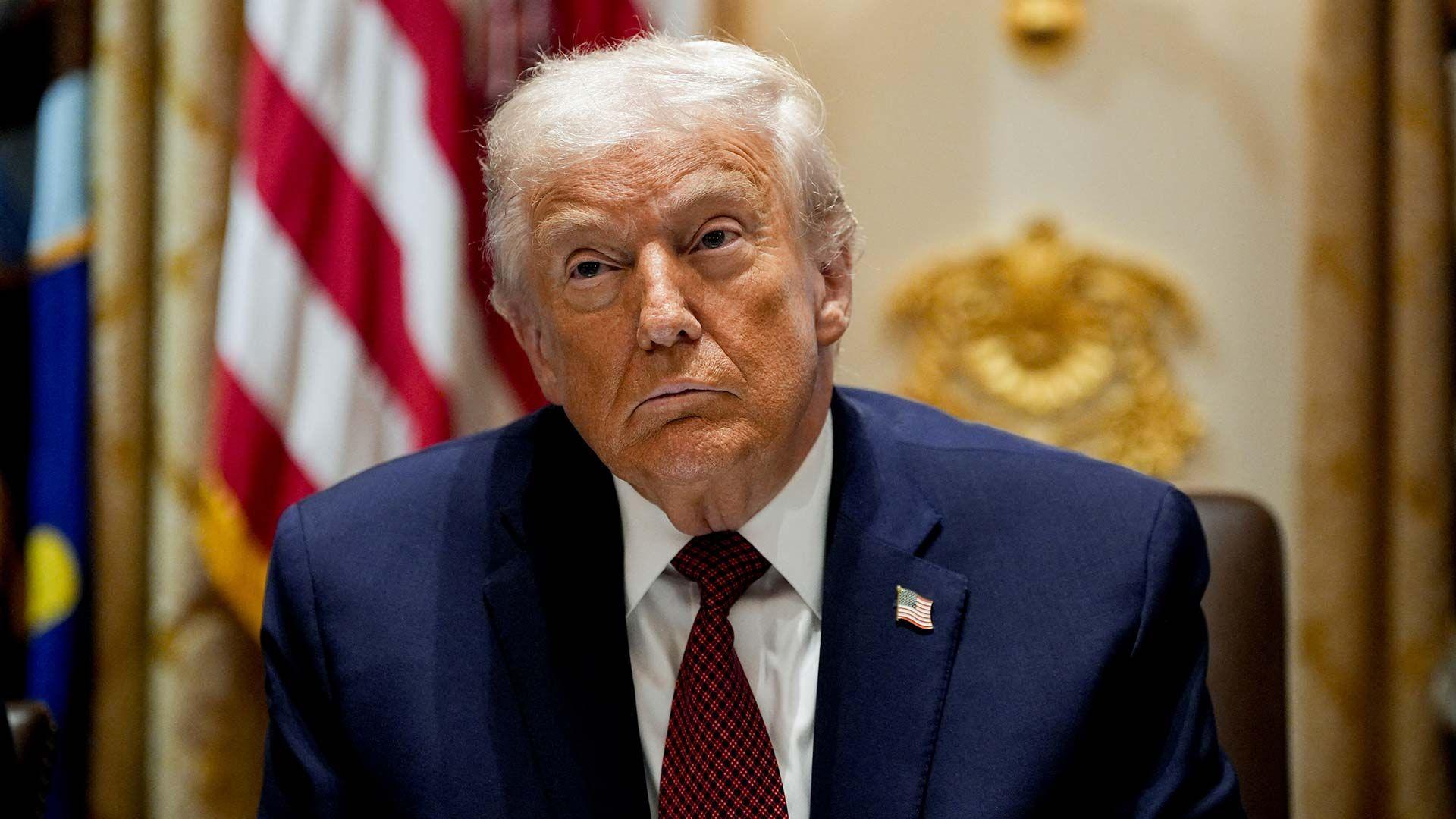
President Donald Trump has reaffirmed a 'two to three week' timeline to conclude the war with Iran, stating the most challenging phase is behind us while warning of 'extremely hard' strikes in the coming weeks. Speaking on April 2, 2026, Trump praised U.S. Middle Eastern allies—specifically naming Israel, Saudi Arabia, Qatar, the UAE, Kuwait, and Bahrain—as 'exceptional' and vowed they would not be harmed. He also called on nations importing oil through the Strait of Hormuz to 'take' control of the waterway themselves.
This development directly impacts Nigerian consumers through global oil markets. Immediately following Trump's address, oil prices surged higher, as noted in the article's related coverage. Nigeria, as a net oil importer, typically experiences upward pressure on domestic fuel costs when global prices rise, affecting transportation fares and general inflation.
The stated U.S. strategy aims for rapid, 'overwhelming' battlefield victories, yet the continued escalation threatens energy supply routes. For the average Nigerian, the key intelligence is the linkage between geopolitical conflict and local fuel prices. While the war's direct military actions are far from Nigeria, the economic ripple effects are immediate and personal.
With fuel costs already a significant household expense, will you adjust your commute, reconsider travel plans, or factor potential price hikes into your business budget? Monitoring official petrol price updates from the Nigerian National Petroleum Company (NNPC) and the Petroleum Products Pricing Regulatory Agency (PPPRA) in the coming weeks is essential for financial planning.
SOURCE: https://dailypost.ng/2026/04/02/iran-trump-maintains-timeline-to-end-war-thanks-allies-for-help/