UK police arrest 25 protesters at Supreme Court over Palestine Action ban hearing
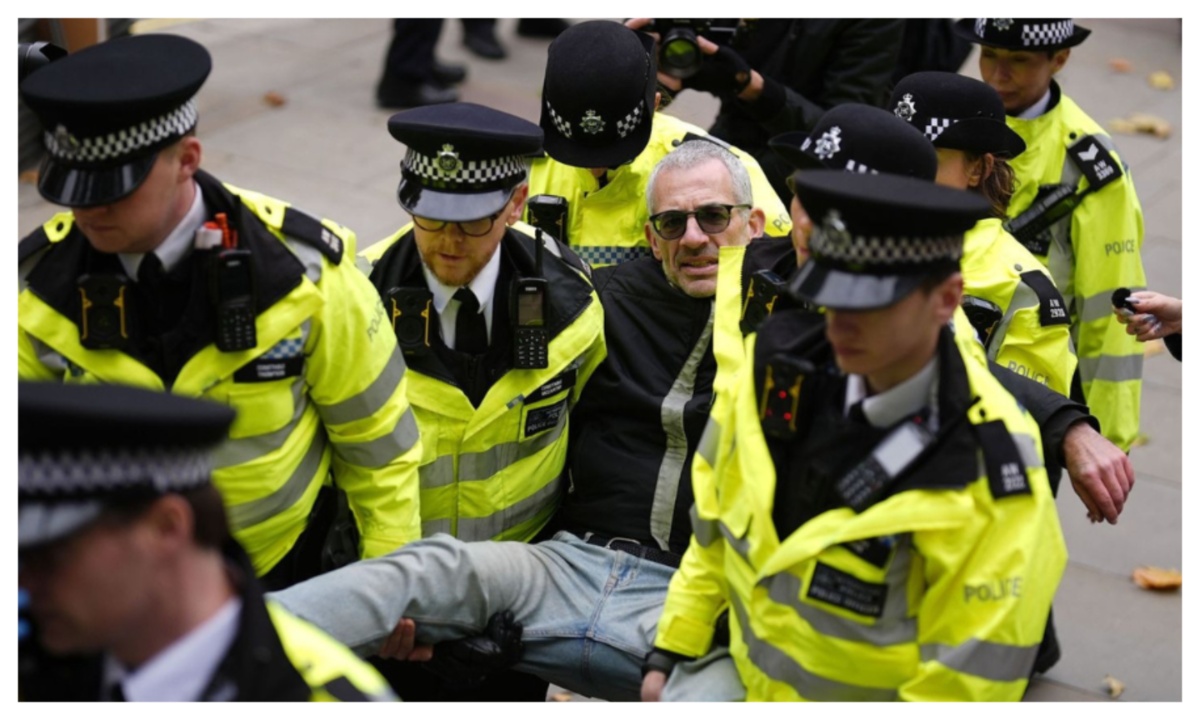
UK police arrested 25 demonstrators outside the Supreme Court in London on Wednesday as a two-day hearing began on the government's ban of pro-Palestinian group Palestine Action. The Metropolitan Police said protesters were detained on suspicion of showing support for a banned organisation.
The case centers on the Home Office's July 2025 decision to proscribe Palestine Action under the Terrorism Act, making membership or public support a criminal offence carrying up to 14 years in prison. Co-founder Huda Ammori is appealing, arguing the government failed to apply its own criteria — her lawyers say only three of 385 actions over five years met the legal definition of terrorism.
This matters because the courts have flip-flopped: the High Court ruled the ban disproportionate and unlawful in February 2026, but the Court of Appeal reversed that in June. The Supreme Court's final judgment will set a precedent for how anti-terror laws define legitimate protest versus criminal activity.
For Nigerians in the UK or tracking diaspora rights, this signals tightening protest restrictions under security legislation. Over 300 people were arrested at a related demonstration outside the US Embassy on Saturday. The Supreme Court is expected to reserve judgment after Thursday's proceedings.
How should democracies draw the line between security laws and the right to protest — and what happens when that line shifts depending on the cause?