UNILAG Considers Allowing Hostel Squatting as Accommodation Crisis Deepens

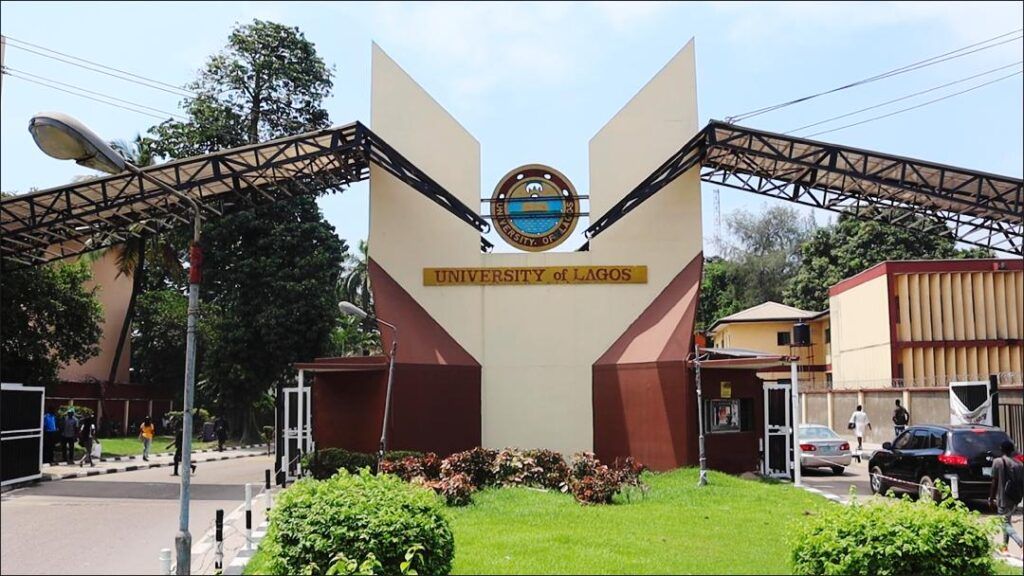
The University of Lagos (UNILAG) is currently facing a major accommodation challenge, one that has once again brought student welfare into national conversation. With a student population running into tens of thousands and limited hostel capacity, the institution is considering an unusual but pragmatic measure: allowing students to squat in hostels to reduce the pressure caused by accommodation shortages.
According to university authorities, UNILAG has over 30,000 students, but fewer than 8,000 available hostel bed spaces. This imbalance has made on-campus accommodation extremely competitive, pushing many students to seek off-campus housing in surrounding areas such as Yaba, Bariga, and Akoka, often at high costs and under unsafe conditions.
The situation has also given rise to another problem: hostel racketeering. Unscrupulous individuals reportedly hoard bed spaces and resell them to desperate students at inflated prices. This illegal practice has further reduced fair access to accommodation and worsened the housing crisis on campus.
In response, the Dean of Student Affairs revealed that the university is considering permitting students to temporarily squat with roommates or friends who already have allocated hostel spaces. The move, though not ideal, is seen as a short-term relief strategy to ensure more students can stay within campus where safety, access to facilities, and academic focus are better guaranteed.
However, the university has made it clear that this consideration comes with strict conditions. While squatting may be tolerated to ease congestion, any form of racketeering, selling of spaces, or profiteering will attract severe disciplinary action, including suspension. Management emphasized that the policy, if implemented, is meant to support students genuinely in need, not to encourage exploitation.
This development has sparked mixed reactions among students. Some view it as a necessary and compassionate step given the housing realities, while others worry about overcrowding, hygiene, and strain on hostel facilities. Nonetheless, many agree that the proposal highlights a larger, unresolved issue: the urgent need for long-term investment in student accommodation infrastructure.
UNILAG’s situation mirrors a broader challenge across Nigerian universities, where rising student enrollment has not been matched with proportional expansion of hostels. As education institutions continue to grow, conversations around public-private partnerships, hostel development, and improved student welfare are becoming increasingly unavoidable.
For now, all eyes remain on UNILAG management as students await official implementation details and guidelines. What is clear, however, is that the accommodation crisis has reached a point where creative, if imperfect, solutions are being considered.