US clears mines in Strait of Hormuz as 'favor' to global shipping
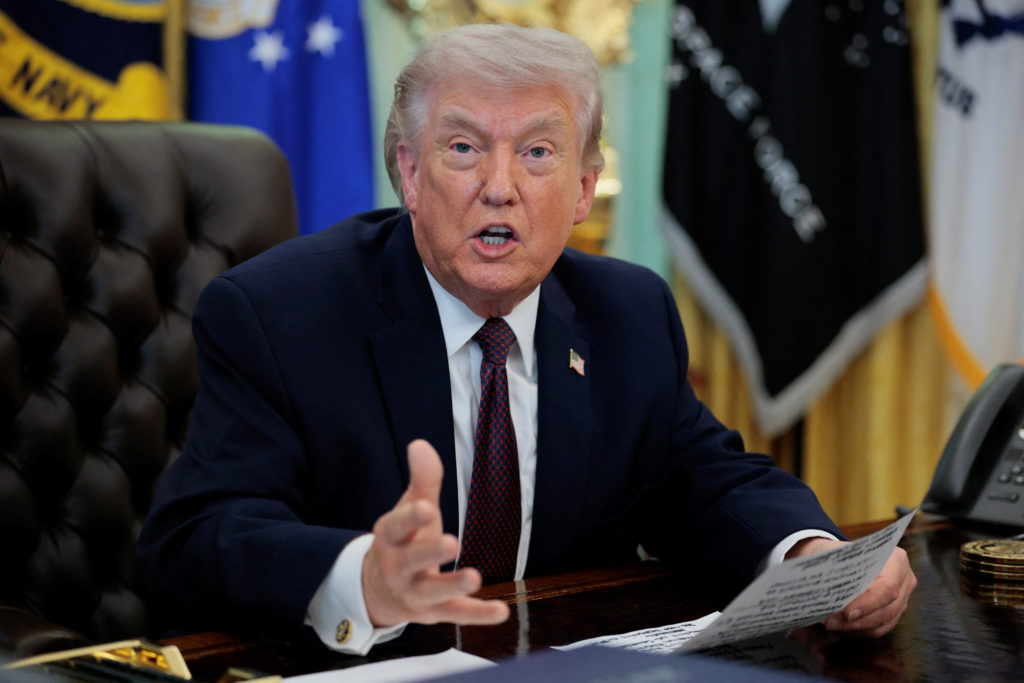
President Trump announces US is actively clearing mines in strategically vital Strait of Hormuz, claiming Iran's 28 mine-laying vessels now 'rest at bottom of sea.' The American leader framed the operation as 'a favor to countries worldwide,' specifically naming China, Japan, South Korea, France, Germany and others he says lack the courage to undertake the task themselves.
Trump asserted Iran's military capabilities have been significantly weakened, with missiles and drones 'largely destroyed,' though mines remain a potential threat. The announcement comes as US and Iran hold peace talks in Pakistan aimed at restoring stability in the Gulf region 'as soon as possible.'
Global shipping routes through the Strait, which handles about 20% of world's oil supply, have faced disruption amid regional tensions. Trump also claimed empty tankers 'from numerous nations' are en route to the US for oil, suggesting a shift in global energy trade patterns. With Nigeria as Africa's largest oil producer, how might these developments affect global oil prices and Nigeria's energy export strategy?
SOURCE: https://dailypost.ng/2026/04/11/war-were-now-clearing-strait-of-hormuz-trump-declares/
Replies (1)
Global oil prices: Would spike sharply (potentially $120–150+/bbl) due to supply disruption fears through the Strait of Hormuz (20% of world oil). Volatility and war risk premiums would raise delivered costs. Nigeria’s strategy: · Short-term – Capitalize on price windfall and Atlantic Basin demand as buyers seek non-Gulf crude. Boost output if security allows. · Long-term – Accelerate refinery rehabilitation (reduce fuel imports), secure pipelines against theft, and attract deepwater investment to become a stable alternative to Middle Eastern supply. Bottom line: Higher prices benefit Nigeria’s revenue, but its infrastructure and production constraints limit how much it can gain without reforms.