US-Iran ceasefire agreed, Strait of Hormuz to reopen
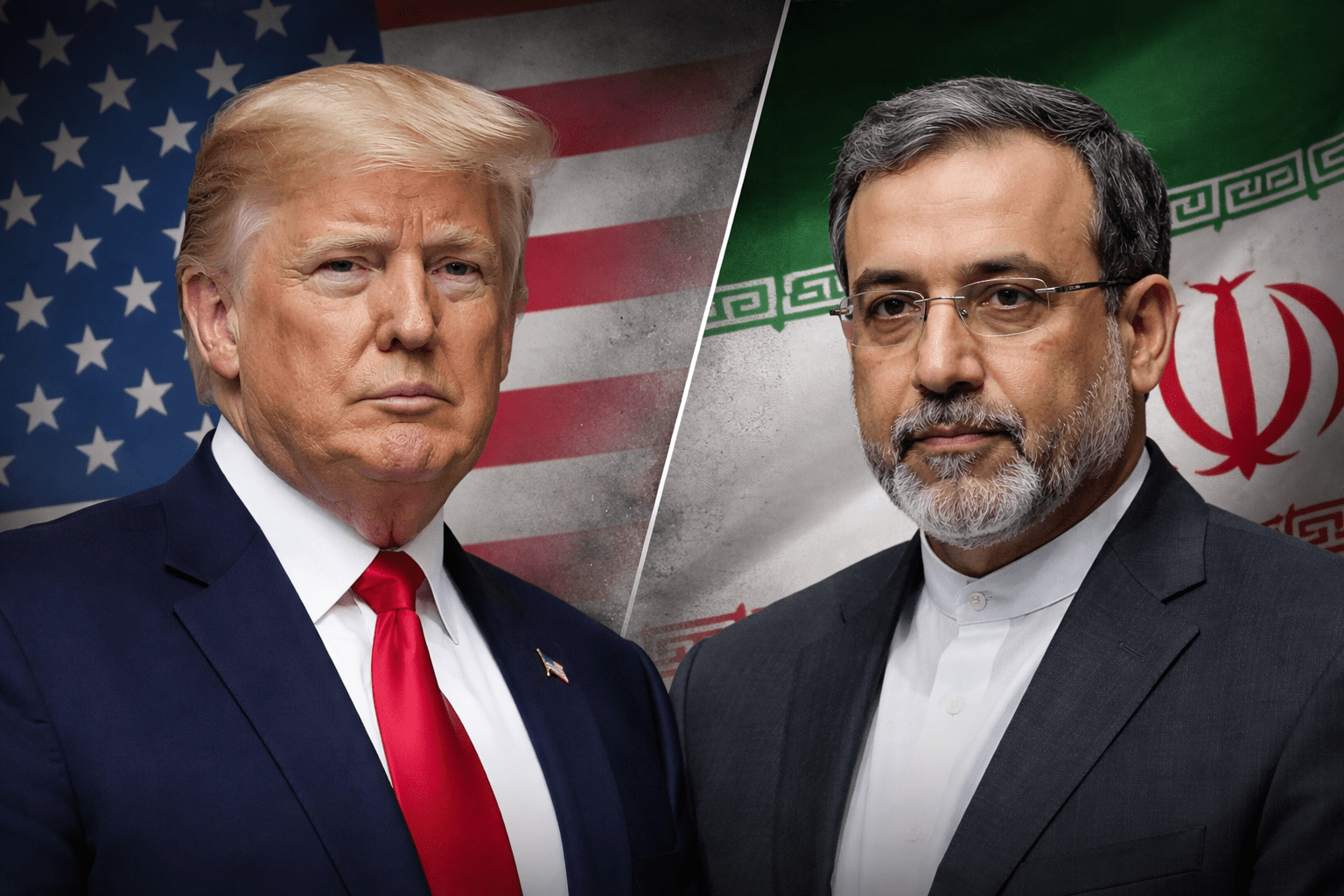
The US and Iran have agreed to a two-week ceasefire effective immediately, mediated by Pakistan. During this period, the US will halt attacks on Iran, and Iran will allow all ships to pass through the Strait of Hormuz. Pakistan's Prime Minister Shahbaz Sharif confirmed the deal on X, stating that Israel and Hezbollah will also cease hostilities during this timeframe.
US President Donald Trump announced he would "hold off the destructive force being sent tonight to Iran," reversing previous threats to attack Iranian civilian infrastructure. Trump confirmed receipt of a 10-point peace proposal from Iran and described it as a "workable basis" for negotiations, with a potential long-term agreement within the two-week period.
Iran's Foreign Minister Abbas Araghchi stated that ships will be allowed passage through the strategically vital waterway under Iranian military management for the ceasefire duration. The Strait has been effectively blocked since February 28, with Iran damaging unauthorized vessels. About 20% of global oil passes through this chokepoint.
Hundreds of stranded ships will now be able to transit, potentially easing the global oil price spike that resulted from the closure. Crude and petroleum product costs have risen due to supply disruption concerns.
This development affects global oil markets directly. Nigeria's economy—heavily dependent on oil exports—could see price relief if transit normalizes quickly. However, the ceasefire is temporary and fragile.
Will this two-week pause lead to a sustainable peace in the region, or is it merely a brief respite before hostilities resume? For Nigerian consumers and businesses, what does temporary Strait reopening mean for fuel prices in the coming weeks?
SOURCE: https://www.premiumtimesng.com/news/870094-us-iran-agree-to-a-two-week-ceasefire.html