US-Iran tensions slash Strait of Hormuz ship traffic to lowest level in months
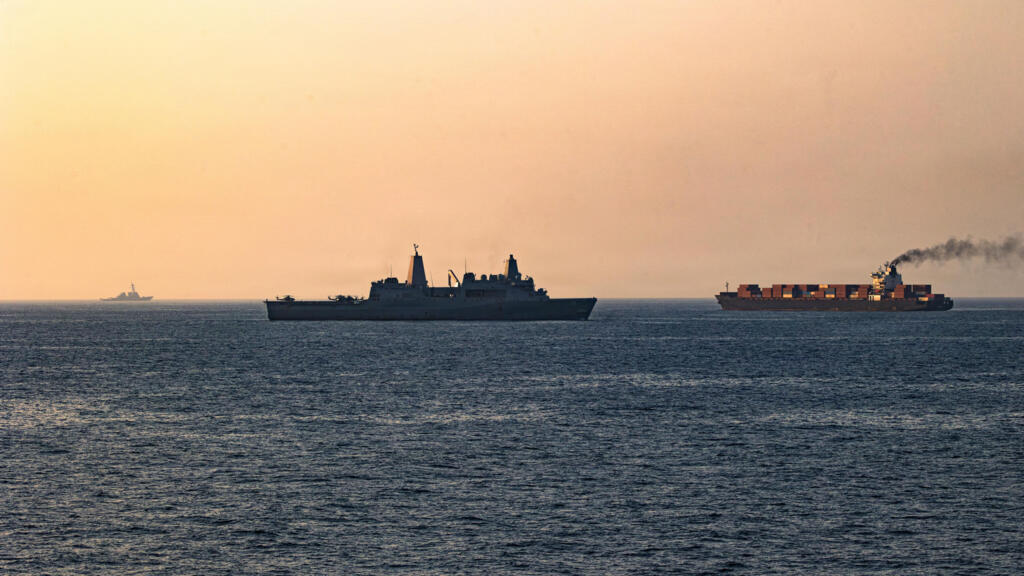
Traffic through the Strait of Hormuz fell to its lowest level in months as only three commodity vessels passed through on Thursday, according to shipping data reviewed by Reuters. The drop follows renewed Iranian attacks on commercial ships and the reimposition of a US blockade targeting Iran-linked vessels, prompting many ships to delay voyages or turn back. Named vessels that exited the strait via Iranian waters included the sanctioned fuel oil tanker Miraan and the LPG carrier Norita, while a bunkering tanker, Arolia, carrying Iraqi fuel oil turned back into the Gulf hours after leaving. On Wednesday just 11 ships crossed, far below the pre-conflict daily average of about 125, and for two consecutive days no Very Large Crude Carriers or LNG tankers were recorded. Two VLCCs each carrying about two million barrels of crude later reappeared outside the strait—one bound for Okinawa, Japan, the other for Turkey. Iraq briefly halted oil loading at its Basra export terminal after a drone strike hit a tanker, though operations resumed. Iran's Revolutionary Guard warned that no oil or gas shipments will pass while US strikes continue and threatened to push Yemen's Houthis to close the Bab el-Mandeb Strait, threatening another key energy route. With alternative routes adding days and cost to shipments, will you adjust your fuel budget, explore alternative energy sources, or support diplomatic efforts to ease tensions?