US midterms deliver historic firsts: Muslim senator, Gen Z congresswoman, Black female governors elected
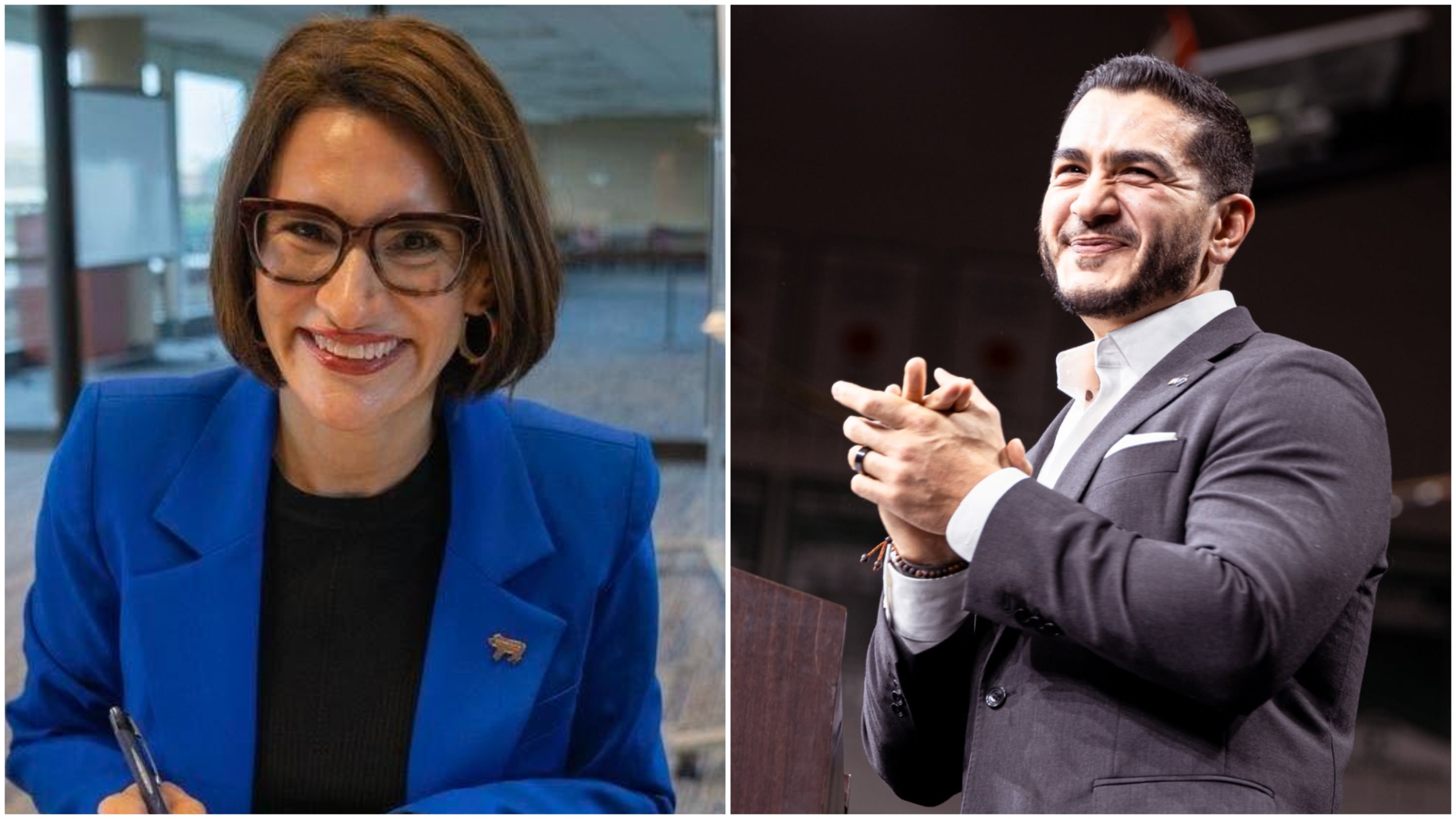
US midterm elections yesterday produced a wave of historic firsts as Democrats secured sweeping victories in both chambers. Michigan elected Abdul El-Sayed as America's first Muslim senator. Minnesota sent Peggy Flanagan as the first Native American woman to the Senate. New Hampshire chose Chris Pappas as the first openly gay senator. Colorado's 1st District elected 29-year-old Melat Kiros—the first Gen Z woman in Congress.
At state level, Keisha Bottoms became the first Black woman governor in US history winning Georgia, while Deb Haaland became the first Native American woman governor in New Mexico. Republicans also made history: Byron Donalds became Florida's first Black governor, and David Crowley won as Wisconsin's first Black governor.
Democrats captured Senate majority 54-44 and House 231-139—a "Blue Tsunami" reflecting voter appetite for diverse representation.
For Nigerians watching global democracy, this signals shifting political norms where identity barriers continue falling. The Gen Z breakthrough especially matters—Africa's youngest continent could see similar youth-driven political disruption. US policy direction on trade, climate, and security cooperation with Nigeria will now be shaped by the most diverse Congress ever.
What does this mean for young Nigerians eyeing political office—will local parties make space for Gen Z candidates, or will the gerontocracy hold?