US Midterms Hand Congress to Democrats, Forcing Trump Toward Executive Action on Africa
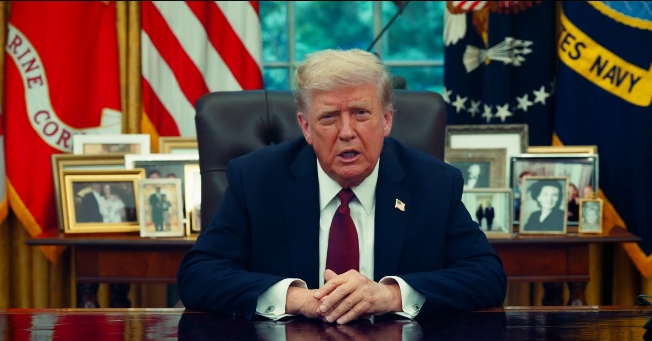
Democrats secured both chambers of Congress in the November 3 US midterms, fundamentally constraining President Trump's legislative agenda for his final two years. When the new Congress convenes January 3, 2027, Democrats can investigate executive decisions, control foreign assistance funding, block appointments, and obstruct legislation. However, historical precedent shows obstructed presidents—Bush in 2006, Obama in 2010 and 2014, Trump in 2018, Biden in 2022—pivot to unilateral executive action on existing priorities.
Trump's foreign policy rests on three pillars that amplify this shift: personalized diplomacy where leader relationships drive outcomes, a legacy drive for visible peace deals and commercial wins, and structural competition with China. For Africa, this means congressional sympathies matter less than individual ties to Trump and alignment with his transactional priorities.
South Africa and Rwanda face direct exposure. Trump intends to terminate both countries' AGOA eligibility despite Congress extending the programme to December 2028. South Africa's tensions with Trump over domestic and international positions make concessions likely. Rwanda faces sanctions on its defence ministry and Zigama Credit and Savings Society while remaining essential to DRC stabilization. The DRC could gain from its critical minerals and strategic value, but risks trading long-term interests for short-term diplomatic wins. Kenya, Zambia, and Morocco are better positioned through counter-terrorism cooperation, copper reserves, and defence capabilities. Egypt and Nigeria sit in ambiguous territory—security importance preserves cooperation but invites unpredictable personalised demands.
Congressional gridlock over spending could worsen financial volatility for African economies already facing high debt-servicing costs. The lesson: African governments cannot substitute congressional relationships for clear White House engagement. Those offering strategic assets while diversifying partnerships will navigate Trump's remaining two years more effectively.
With legislative victories blocked, will Trump double down on executive agreements with African leaders to cement his legacy—and which countries will pay the price for misalignment?