US sanctions ICC hours after Nobel Peace Prize for ex-judge Navi Pillay
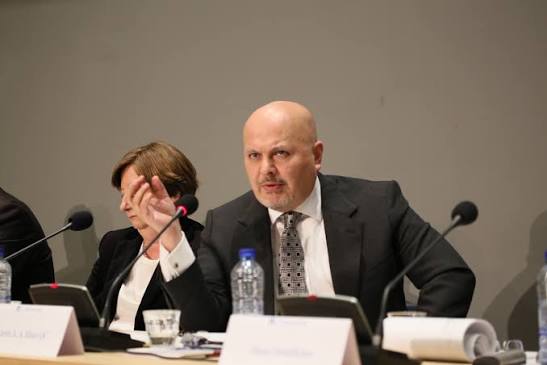
On Friday, the US government imposed sweeping sanctions on the International Criminal Court, barring all American companies from providing services to the court. Secretary of State Marco Rubio said the move cuts off the ICC's resources and will prevent it from ever prosecuting Americans. The sanctions, announced hours after South African jurist Navi Pillay—former ICC Appeals Chamber judge (2003-2008)—won the 2026 Nobel Peace Prize, include a six-month grace period and exemptions for telecoms, software, pension payments and detainee-related transactions. Banks must close ICC accounts, insurers end coverage and software firms halt cooperation.
For Nigerians, the ICC investigates alleged war crimes and crimes against humanity that have occurred in the country, from Boko Haram insurgency to communal clashes. Weakening the court's ability to operate could delay or derail justice for victims of such atrocities and signal reduced international support for accountability mechanisms that Nigerians rely on.
The ICC and its 125 member states, including Nigeria, have condemned the sanctions as an assault on the rule of law. While the grace period allows time for dialogue, the exemptions mean some essential services may continue. Nigerians should monitor how the ICC responds, watch for any impact on ongoing investigations involving Nigeria, and consider supporting calls from African and European allies for the court's independence.